Instagram Image Sizes 2026: Feed, Reels, Stories & the New 3:4 Grid
TL;DR: The Short Answer
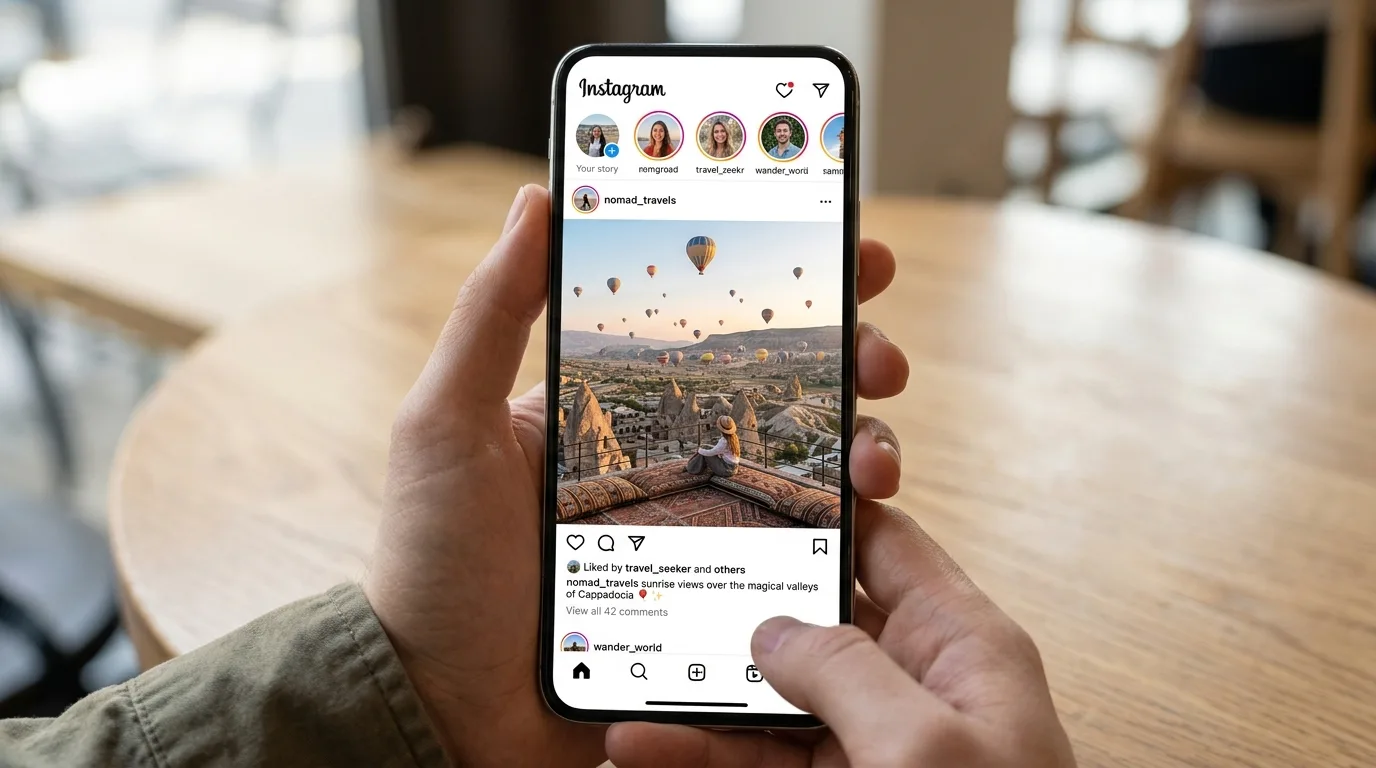
The best Instagram image size in 2026 is 1080×1350 pixels (4:5 portrait) for feed posts — it fills the most vertical screen space and survives the new 3:4 profile-grid crop with only a tiny trim. Stories and Reels are 1080×1920 (9:16). Profile photos are 320×320 (displayed as a 110px circle — keep your face centered). Reel covers are also 1080×1920, but the profile grid shows only the central 3:4 region, so put your title and face in the middle 1080×1440 area. The big 2026 change: profile-grid thumbnails no longer crop to 1:1 square — they display at 3:4, so a 4:5 feed post loses its top and bottom edges in the grid.
Export every photo at exactly 1080px wide, sRGB color space, JPEG quality 80–85 — uploading at any other width triggers Instagram’s re-compression, which is what makes photos look soft and blurry. Scheduled posts via the API have an 8MB file-size cap and accept JPEG only.
The Big 2026 Change: The Grid Is No Longer Square
For a decade, Instagram’s profile grid cropped every thumbnail to a 1:1 square. That changed in early 2025, and by 2026 the rollout is complete: profile-grid thumbnails display at 3:4 portrait. This single change rewrites the sizing math for every feed post.
What it means in practice:
- A 4:5 (1080×1350) feed post displays full-height in the feed, but in the profile grid the top and bottom ~6% get cropped. Keep faces, logos, and text away from the extreme top and bottom edges.
- A 3:4 (1080×1440) feed post fits the profile grid exactly with zero crop — but in the main feed it displays slightly smaller than 4:5. Use 3:4 when grid consistency matters more than feed size (e.g., a curated brand grid).
- A 1:1 square (1080×1080) post now shows as a smaller square centered in a 3:4 thumbnail — it looks smaller than neighboring portrait posts. Square is fine for graphics and products, but it loses grid dominance.
- A landscape (1.91:1) post looks tiny in the grid. Avoid unless it is a deliberate panorama.
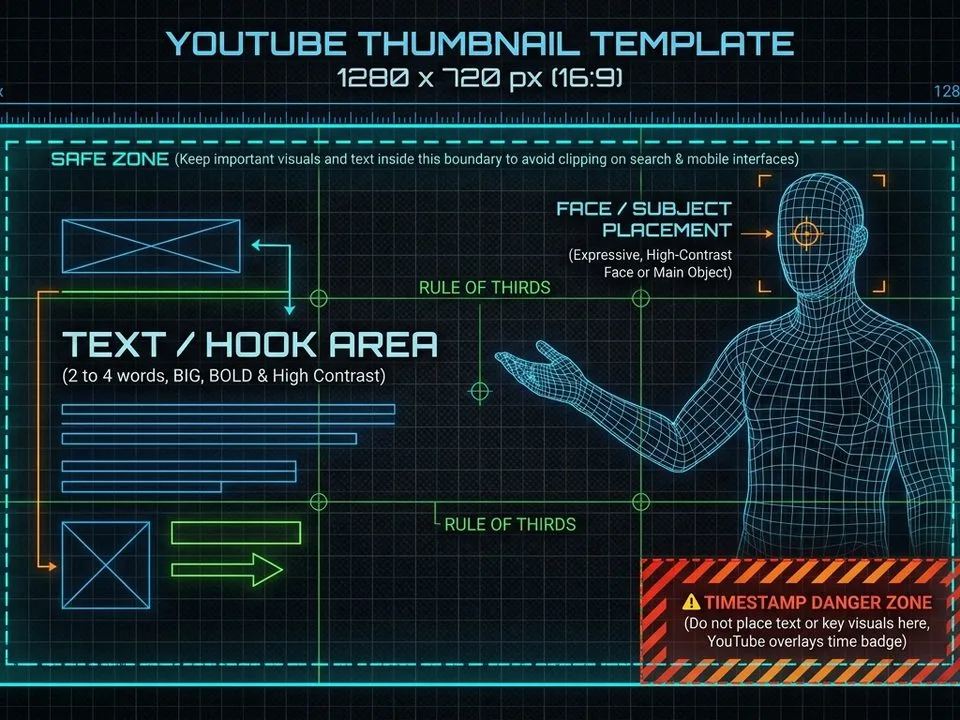
Rule of thumb for 2026: shoot and export 4:5 (1080×1350) for maximum feed presence, but compose with a 3:4 safe zone in the center so nothing important gets cut in the grid. A guide to composition in photography covers framing and safe-area placement that translates directly to grid design.
The Master Instagram Size Table (2026)
| Format | Upload size (px) | Aspect ratio | Notes |
|---|---|---|---|
| Feed post — portrait (recommended) | 1080×1350 | 4:5 | Max feed space; grid crops top/bottom slightly |
| Feed post — grid-safe | 1080×1440 | 3:4 | Fits profile grid exactly; slightly smaller in feed |
| Feed post — square | 1080×1080 | 1:1 | Products, graphics, carousels |
| Feed post — landscape | 1080×566 | 1.91:1 | Panoramas, wide scenes; small in grid |
| Stories | 1080×1920 | 9:16 | Keep 250px clear top & bottom for UI |
| Reels (video) | 1080×1920 | 9:16 | Min 720p, max 4GB, 30fps+; MP4/MOV |
| Reel cover image | 1080×1920 | 9:16 | Grid shows central 3:4 only — center your title |
| Profile photo | 320×320 | 1:1 | Displays as ~110px circle; center your face |
| Carousel slides | Match slide 1 | 4:5 or 1:1 | Up to 20 slides; all must share slide 1’s ratio |
| Feed ad (high-res) | 1440×1800 | 4:5 | Ads accept higher resolution than organic |
| Stories/Reels ad | 1440×2560 | 9:16 | Higher-res for paid placements |
| Scheduled via API | Max 1440 wide | 4:5–1.91:1 | JPEG only, 8MB max, sRGB required |
Feed Posts: Why 1080×1350 (4:5) Wins
The 4:5 portrait format is the default for a reason: it occupies roughly 33% more vertical screen space than a 1:1 square in the main feed. More space means the viewer’s eye stays on your post longer, and every engagement metric — dwell time, likes, saves — follows.
How to export for feed:
- Crop to 4:5 in Lightroom or Photoshop (Crop tool, enter 4×5 or 1080×1350).
- Resize to exactly 1080px wide (height becomes 1350px). Never upload wider — Instagram downsizes and re-compresses, softening detail. Never upload narrower — Instagram upsizes and blurs.
- Export as JPEG, quality 80–85, sRGB color space. Quality above 85 inflates file size with no visible gain; below 75 introduces visible compression artifacts.
- File size target: under 8MB (the API cap for scheduled posts). A 1080×1350 JPEG at quality 85 is usually 300–600KB — well under the cap.
For portrait and selfie posts, a guide to why you look worse in photos covers lens distortion and posing fixes that matter more than size.
Stories & Reels: 1080×1920 (9:16) + Safe Zones
Stories and Reels share the same full-screen canvas, but the UI overlays differ — and those overlays are what ruin otherwise good posts.
Stories safe zones:
- Leave about 250px of space at the top and bottom for Stories UI elements. The top has your username and close button; the bottom has the reply bar and stickers.
- The central 1080×1420 region is always visible. Design within it.
Reels safe zones (tighter than Stories):
- The bottom 320px is covered by the caption, like button, comment icon, and account name. Never put text there.
- The left ~80px has the avatar and follow button. Keep text out.
- The central safe zone is roughly 1000×1200, centered.
Reel covers — the most-missed spec:
You upload a Reel cover at 1080×1920, but on your profile grid it displays as a 3:4 crop of the center — the top and bottom 20% vanish. Put your cover text, face, and branding in the central 1080×1440 region. If you design the title near the top, it will be cut off in the grid and your grid will look broken.
Profile Photo: 320×320, Center Your Face
Instagram stores profile photos at 320×320 pixels but displays them as a circle of about 110px on most devices. Two rules:
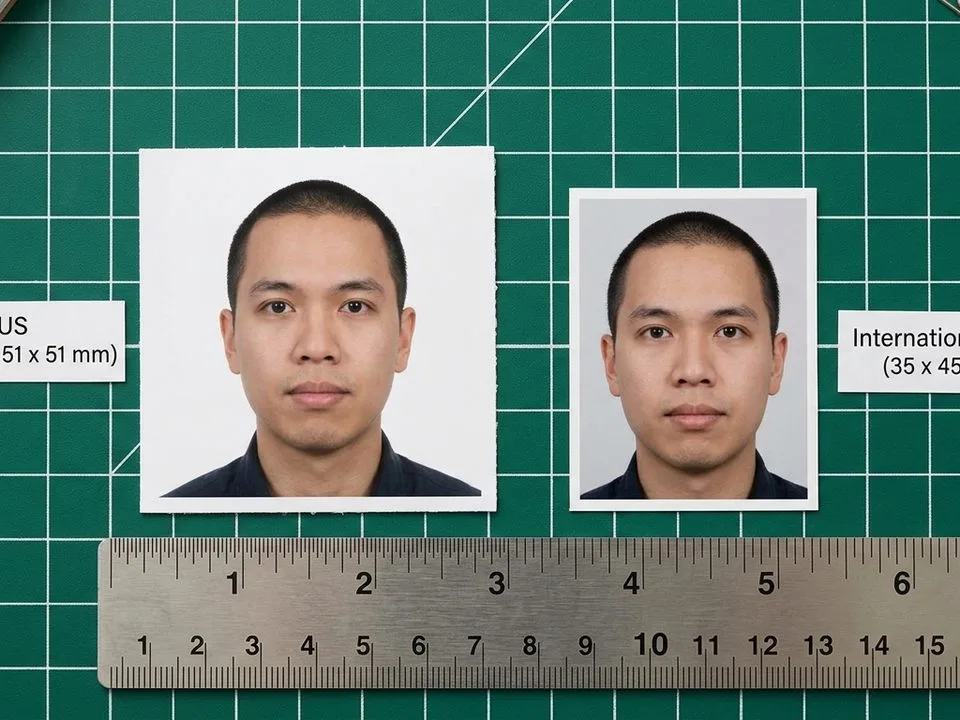
- Keep the subject (your face or logo) centered and small. The circular crop cuts off the corners — anything in the corners is gone. Keep your face within the central 60% of the square.
- Use a high-contrast, simple background. At 110px, detail disappears. A clean background and a clear face read instantly; a busy photo becomes a blob.
Export at 320×320, JPEG or PNG, sRGB. If you use a logo, leave padding around it so the circular crop does not clip the edges.
Carousel Posts: All Slides Must Match
Instagram carousels support up to 20 slides, but every slide must share the same aspect ratio as slide 1. If slide 1 is 4:5, all slides are 4:5 — a square slide 3 gets letterboxed with black bars.
Carousel best practice:
- Pick 4:5 (1080×1350) for all slides — maximum space, consistent grid.
- Design a “hook” on slide 1 (text or a question) that makes people swipe.
- Keep text large enough to read at phone viewing distance (minimum 40px font at 1080 width).
- End with a call-to-action slide.
For product carousels, a guide to preparing a product photo covers the clean-background and consistency work that makes product carousels convert.
Ads: Higher Resolution Than Organic
Paid Instagram placements accept larger files than organic feed:
- Feed ads: 1440×1800 (4:5) or 1440×1440 (1:1)
- Stories/Reels ads: 1440×2560 (9:16)
- Max file size: 30MB for images (vs 8MB for scheduled organic)
If you run ads, export the high-res 1440px version separately — do not upscale the 1080px organic file. Start from the original RAW or full-res master.
Export Settings That Stop Instagram From Ruining Your Photos
Blurry Instagram photos are almost never the camera’s fault — they are caused by Instagram re-compressing an incorrectly-sized upload. Follow this exact export recipe:
- Width: exactly 1080px for feed (1080 for Stories/Reels too). Instagram’s internal pipeline displays at 1080px; any other size gets resampled.
- Color space: sRGB. Upload in Adobe RGB or ProPhoto and colors look dull and desaturated — Instagram assumes sRGB.
- Format: JPEG (PNG for graphics with flat colors, but JPEG is smaller for photos). Quality 80–85.
- Sharpen after resize. A light Unsharp Mask (Amount 50–80%, Radius 0.5–1.0px) compensates for Instagram’s compression. Do not over-sharpen — halos get amplified by compression.
- File size under 8MB for scheduled posts. Direct app uploads tolerate more, but 8MB is the safe universal cap.
- No metadata stripping issues — Instagram strips EXIF anyway, so do not worry about GPS or camera data.
Grid Consistency: The Sizing Secret Nobody Talks About
A beautiful Instagram grid is not just about filters — it is about consistent sizing. If you mix 1:1, 4:5, and landscape posts randomly, your grid looks chaotic and your brand feels unprofessional. Pick one feed ratio (4:5 is the 2026 default) and stick to it for every post. If you must post a landscape photo, embed it inside a 4:5 canvas with matching background color or blur — never post raw landscape.
Inconsistent sizing and editing is one of the fastest ways to lose followers and clients. A guide to inconsistent editing explains how photographers lose clients over exactly this problem.
5 Common Instagram Sizing Mistakes
- Uploading at 2048px or higher. Instagram downsizes and re-compresses, softening detail. Export at exactly 1080px wide.
- Designing Reel cover text near the top. The 3:4 grid crop cuts it off. Keep everything in the central 1080×1440 region.
- Mixing aspect ratios in a carousel. Slide 1’s ratio forces all slides; mismatched slides get black bars. Match every slide to slide 1.
- Forgetting sRGB. Adobe RGB uploads look dull and washed-out. Always convert to sRGB on export.
- Putting a face in the corner of a profile photo. The circular crop clips corners. Center your face within the central 60%.
Frequently Asked Questions
What is the best Instagram post size in 2026?
1080×1350 pixels (4:5 portrait). It fills the most vertical screen space in the feed — about 33% more than a 1:1 square — and survives the new 3:4 profile-grid crop with only a tiny trim. For a perfectly grid-consistent feed, use 1080×1440 (3:4) instead.
What size are Instagram Stories and Reels?
1080×1920 pixels (9:16). Keep text and faces out of the bottom 320px on Reels (UI overlays) and 250px top/bottom on Stories. Reel covers are also 1080×1920, but the profile grid crops to the central 3:4 — center your title.
What size should my Instagram profile picture be?
Upload at 320×320 pixels (1:1 square). Instagram displays it as a circle of about 110px. Keep your face or logo centered within the central 60% — the circular crop cuts off the corners. Use a simple, high-contrast background.
Why do my Instagram photos look blurry?
Almost always because you uploaded at the wrong size and Instagram re-compressed. Export at exactly 1080px wide, sRGB color space, JPEG quality 80–85. Add a light sharpen (Unsharp Mask 50–80%, 0.5–1.0px) after resizing to compensate for compression.
What is the 3:4 grid change on Instagram?
Starting in 2025 and fully rolled out by 2026, Instagram profile-grid thumbnails display at 3:4 portrait instead of 1:1 square. A 4:5 feed post loses its top and bottom edges in the grid; a 3:4 (1080×1440) post fits the grid exactly. Compose important content in the central 3:4 safe zone.
How many slides can an Instagram carousel have?
Up to 20 slides. Every slide must share the same aspect ratio as slide 1 — if slide 1 is 4:5, all slides are 4:5. A mismatched slide gets black bars. Use 1080×1350 (4:5) for all slides for maximum feed space.
What is the maximum file size for Instagram?
For scheduled posts via the publishing API: 8MB, JPEG only. Direct app uploads tolerate larger files (up to ~30MB), but 8MB is the safe universal cap. A 1080×1350 JPEG at quality 85 is typically 300–600KB, well under the limit.
Should I use 1440px for Instagram posts?
Only for paid ads, which accept 1440×1800 (4:5) and 1440×2560 (9:16). For organic feed posts, 1080px is the display resolution — uploading 1440px triggers downscaling and re-compression, which can soften detail. Export organic at 1080px exactly.
Final Verdict
Instagram sizing in 2026 comes down to three numbers: 1080×1350 for feed, 1080×1920 for Stories/Reels, 320×320 for profile. The one new rule is the 3:4 grid crop — compose every post with a central safe zone so nothing important gets cut. Export at exactly 1080px wide, sRGB, JPEG 80–85, sharpen lightly, and keep your Reel-cover text centered. Do that, and your photos will display crisp and full-size every time, with a grid that looks intentional instead of accidental.