How to Fix Pixelated Images: The AI Upscale Guide — and What It Can (and Can’t) Fix
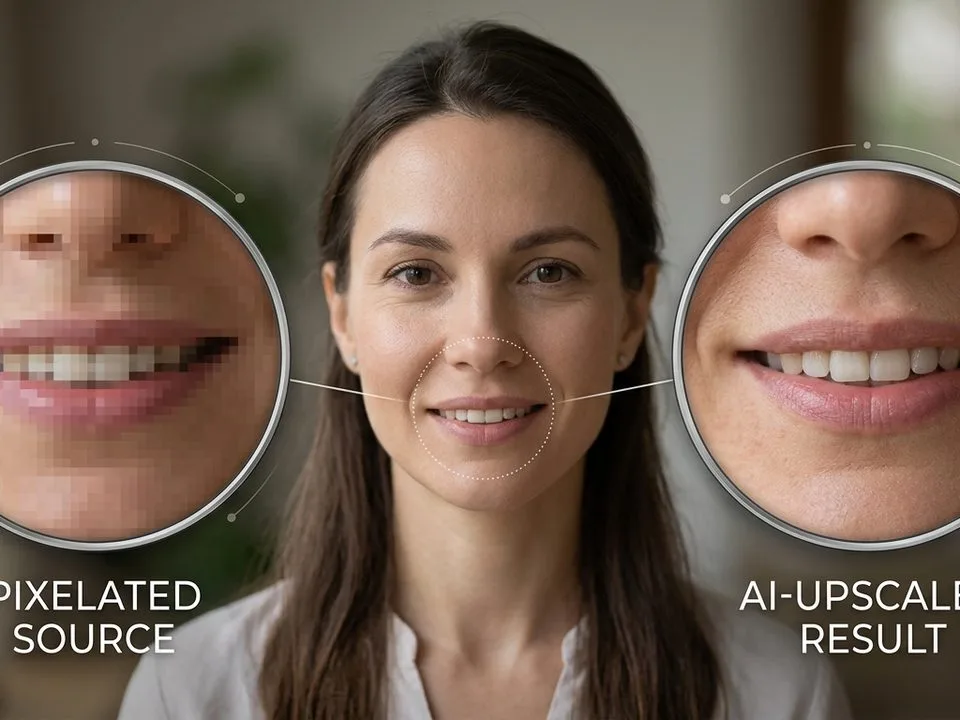
TL;DR: The Short Answer Pixelation happens when an image is displayed or printed larger than its pixel count can support — each pixel gets stretched into a visible…
TL;DR: The Short Answer Pixelation happens when an image is displayed or printed larger than its pixel count can support — each pixel gets stretched into a visible…
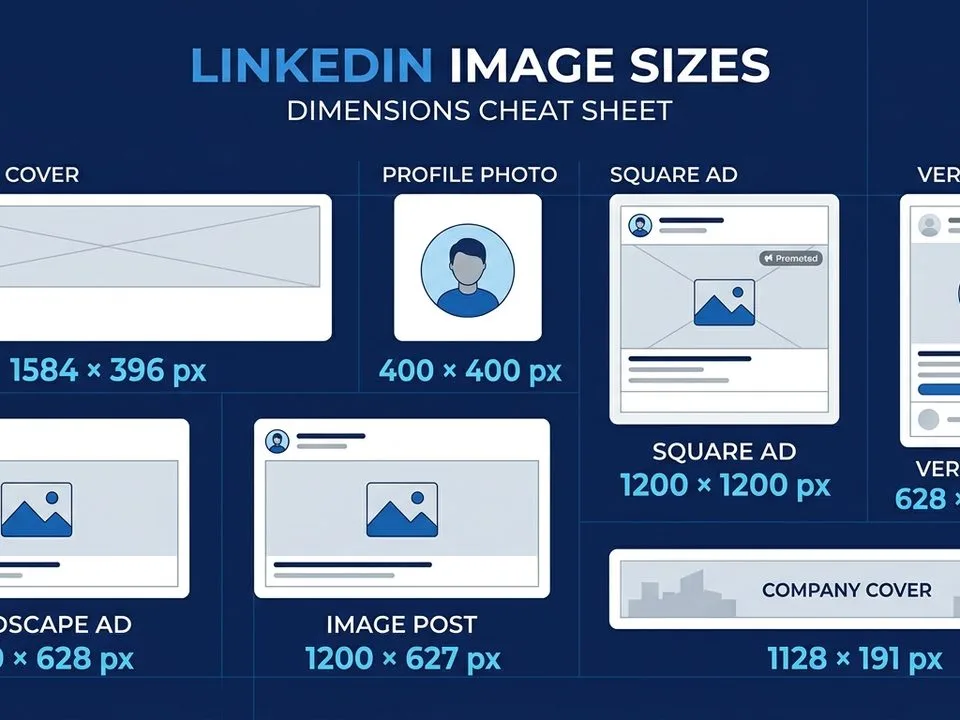
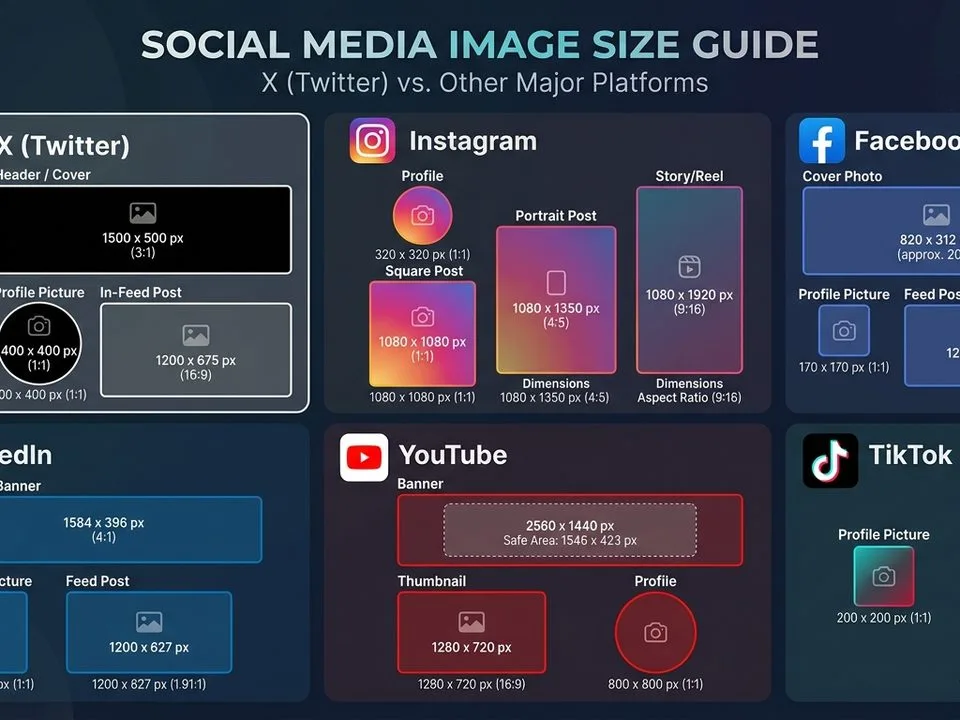
TL;DR: The Short Answer LinkedIn has two different banner sizes — and that is the mistake everyone makes. Personal profile banners are 1584×396 pixels (4:1). Company page covers…
TL;DR: The Short Answer X (Twitter) has three core image sizes and one 2026 twist that most guides miss. Profile photos are 400×400 (circle-cropped for regular accounts, square…
TL;DR: The Short Answer Pinterest is the only major social platform built around vertical images — and size directly determines how much feed space you get. The standard…
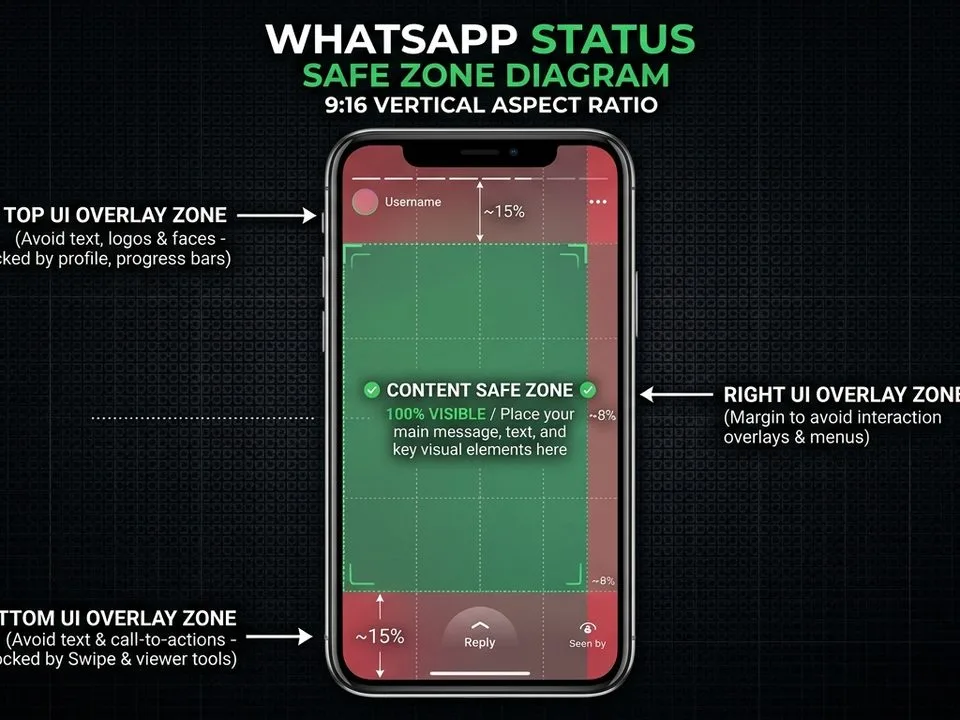
TL;DR: The Short Answer WhatsApp has no single “image size” — it has three quality tiers, and which one you choose matters more than the pixel dimensions. Standard…
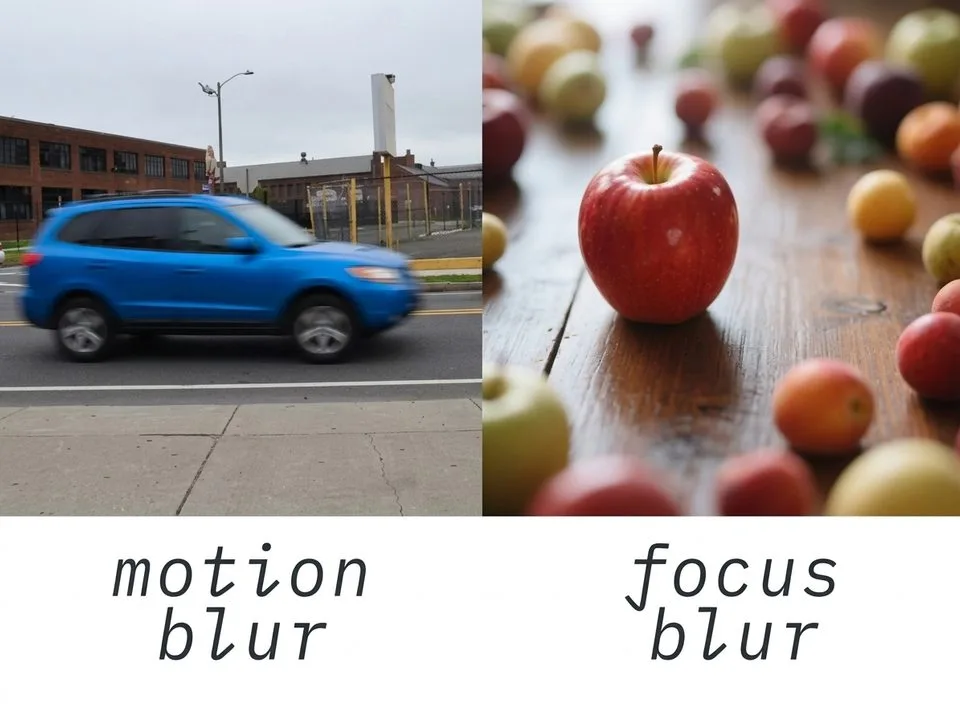
TL;DR: The Short Answer Blurry photos have one of two signatures, and telling them apart in 30 seconds points you straight to the fix. Zoom to 100% and…
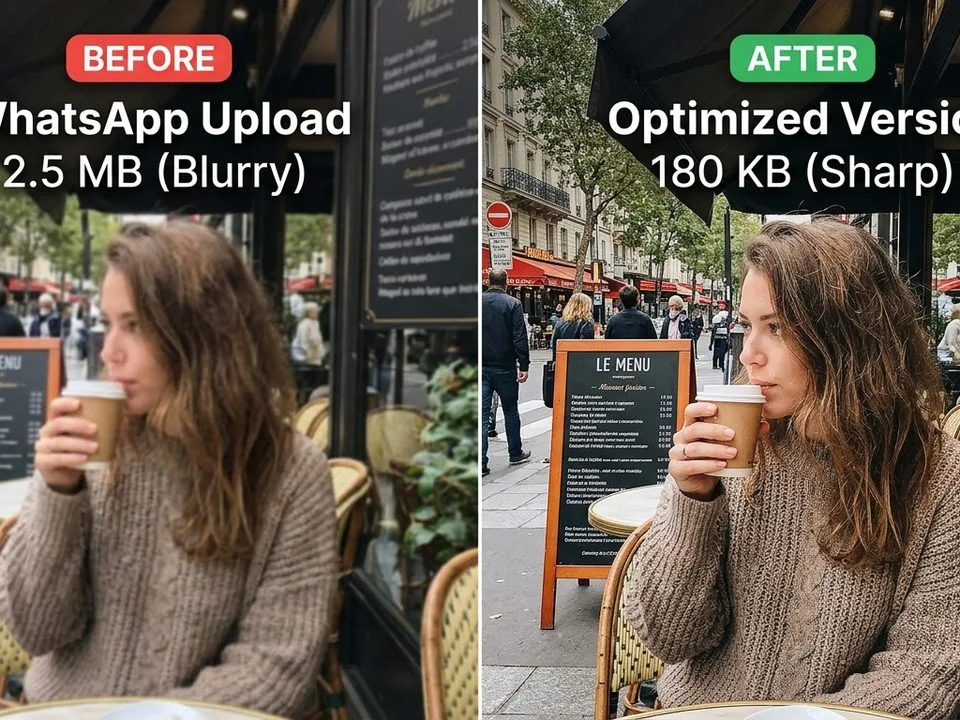
TL;DR: The Short Answer WhatsApp photos look blurry because WhatsApp deliberately compresses every photo you send — it’s not your camera, and it’s not your phone. Standard quality…
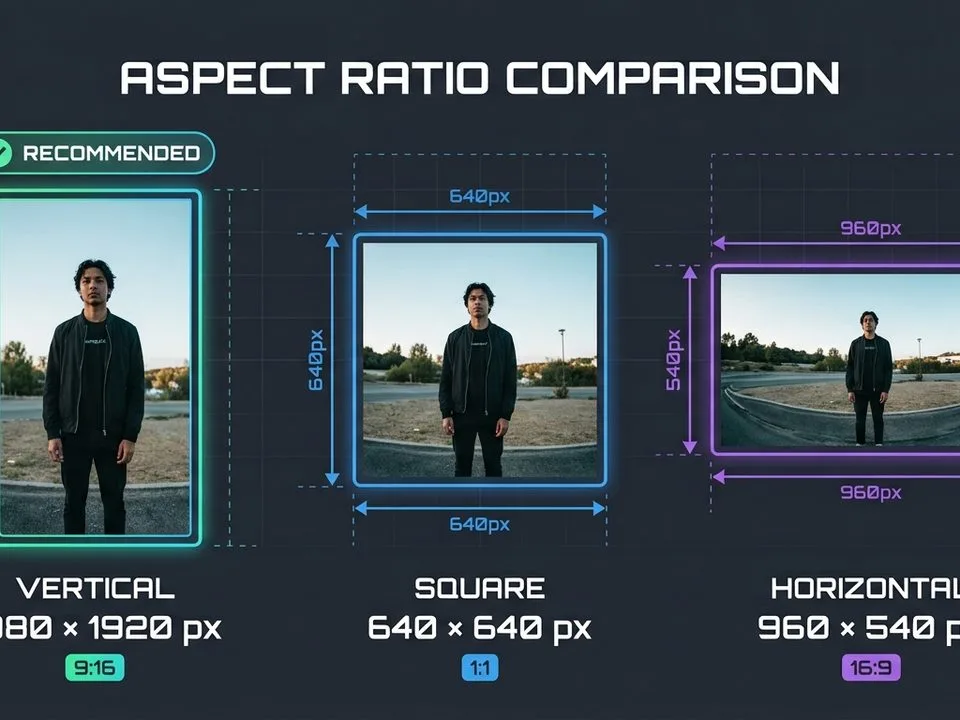
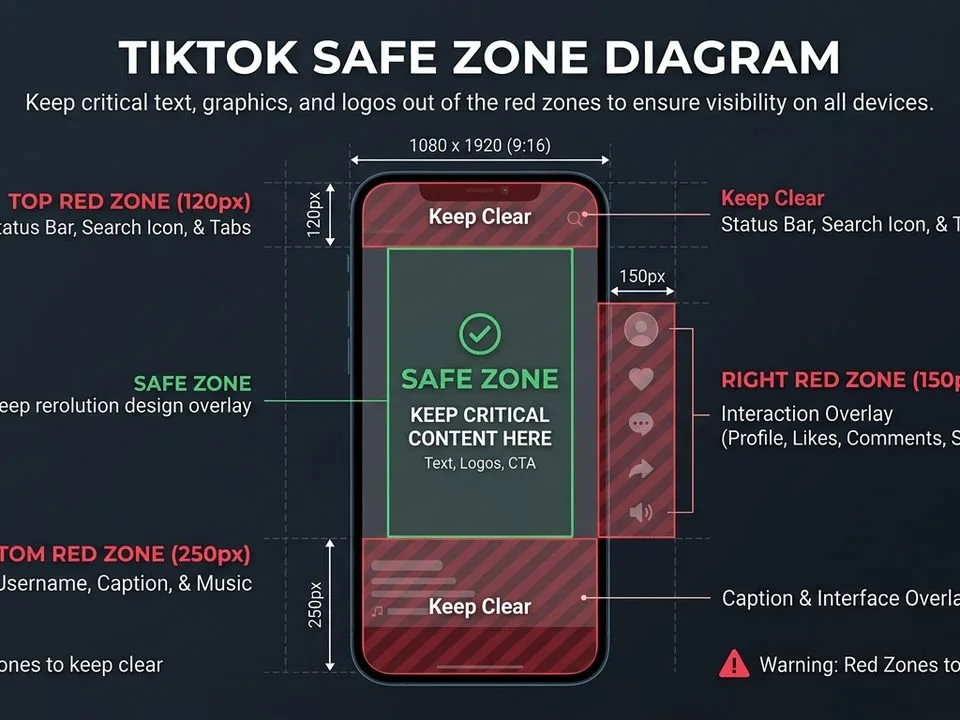
TL;DR: The Short Answer Every TikTok video and photo post is 1080×1920 pixels (9:16 vertical) — that part is simple. The part everyone gets wrong is the cover…
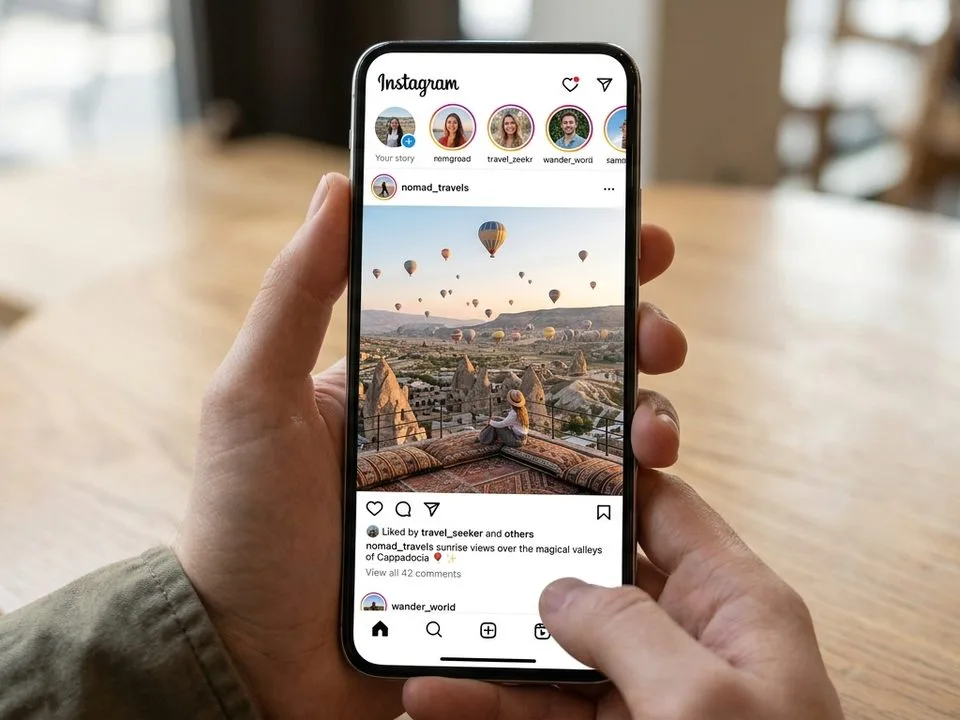
TL;DR: The Short Answer The best Instagram image size in 2026 is 1080×1350 pixels (4:5 portrait) for feed posts — it fills the most vertical screen space and…
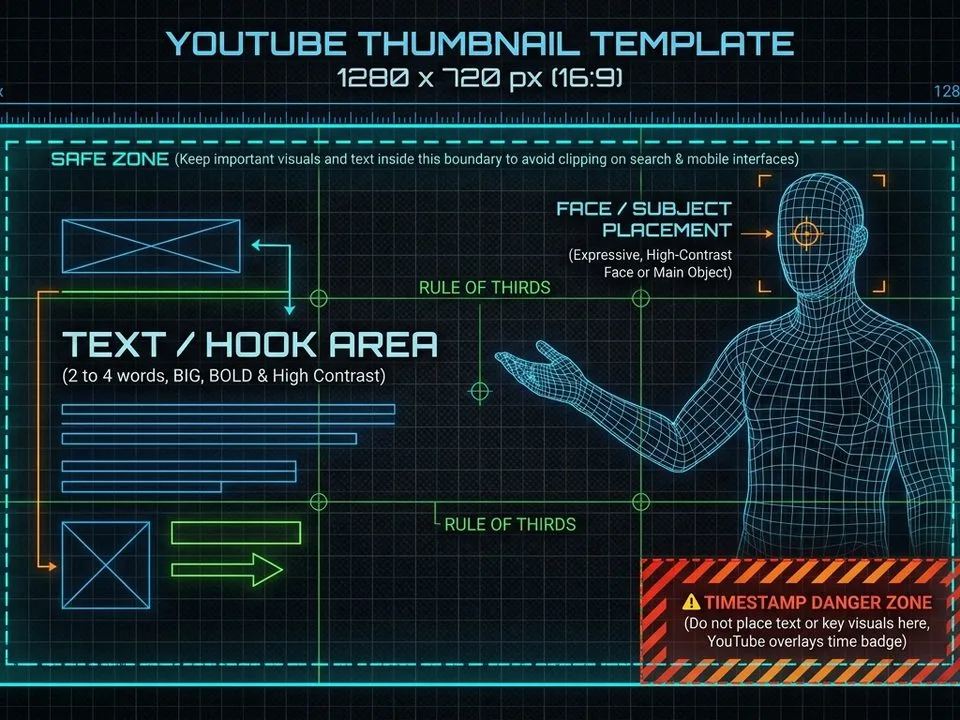
TL;DR: The Short Answer The perfect YouTube thumbnail size is 1280×720 pixels (16:9 aspect ratio), under 2MB, saved as JPG or PNG. Minimum width is 640px — anything…