Photojournalism Editing Ethics: Rules, Workflow and AI Limits
Photojournalism Editing: Rules, Ethics, and Complete Best Practices Guide
Visual storytelling holds massive power in modern media. A single news image can spark public debate, influence policies, or define historical moments. However, with great influence comes strict responsibility. Unlike commercial photography or editorial portraiture, photojournalism editing operates under rigorous ethical frameworks where truth, accuracy, and context take priority over artistic aesthetic manipulation.
This comprehensive guide breaks down the essential standards, acceptable editing techniques, zero-tolerance infractions, and modern post-processing workflows for photojournalism.
What Is Photojournalism Editing?
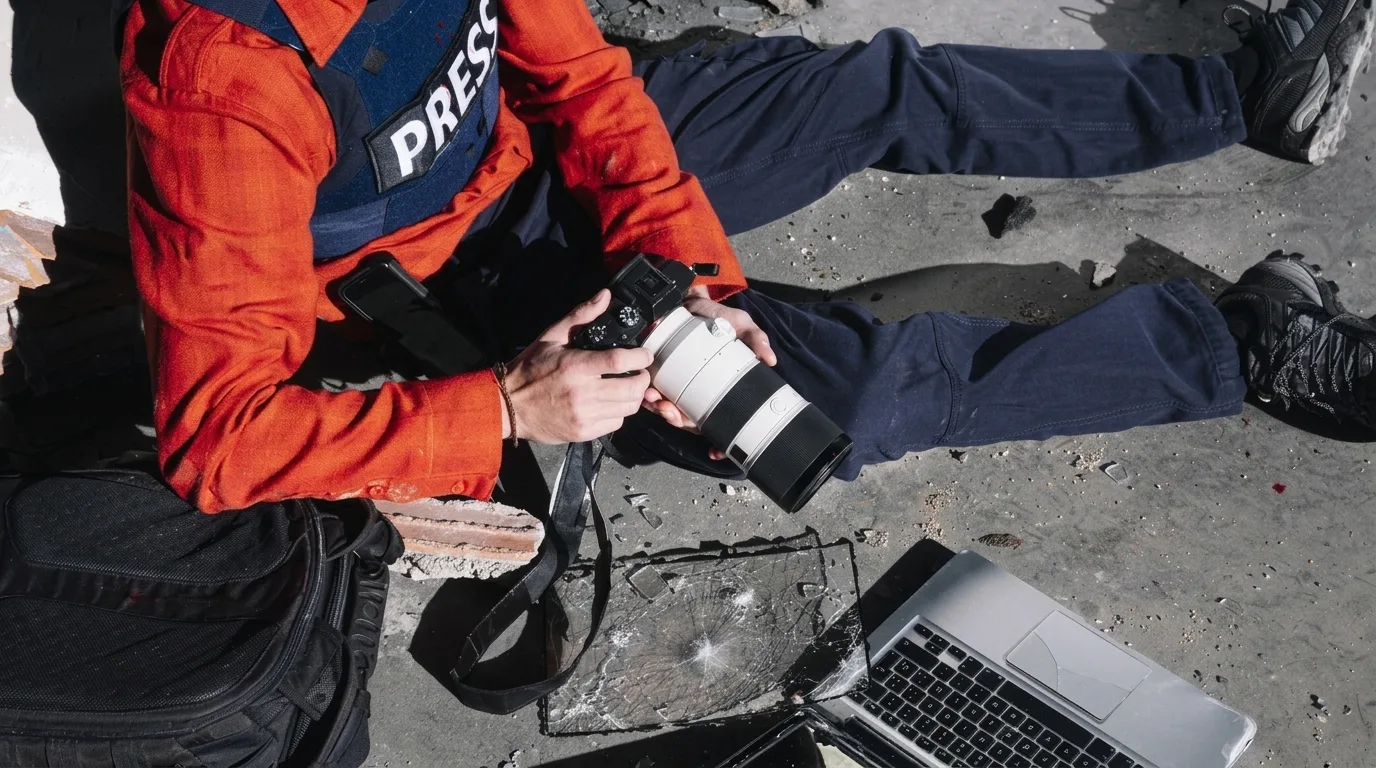
Photojournalism editing is the practice of reviewing, selecting, cropping, color-correcting, and preparing documentary and news photographs for publication. The primary goal of photojournalism post-processing is accuracy. Every pixel must reflect the reality captured at the scene without misleading the viewer.
While commercial retouchers routinely alter reality—removing power lines, softening skin, or swapping backgrounds—photojournalists must maintain absolute visual integrity. Major news outlets like The Associated Press (AP), Reuters, and the National Press Photographers Association (NPPA) maintain strict editorial codes that dictate every stage of photo post-production.
The Golden Ethical Rule: Representation vs. Manipulation
In documentary storytelling, every adjustment you make must pass one fundamental test: Does this edit alter the factual truth of the scene?
To understand this boundary clearly, compare documentary standards with standard commercial image workflows:
| Feature / Technique | Commercial & Editorial Retouching | Photojournalism Editing |
| Primary Goal | Visual perfection & aesthetic appeal | Truthful, accurate news documentation |
| Object Removal | Standard (distractions, clutter removed) | Strictly Prohibited (no altering scene content) |
| Tone & Contrast | Unlimited creative freedom | Minimal corrections to reflect true lighting |
| AI Generation / Cloning | Widely accepted for enhancements | Totally Banned |
| Cropping | Creative freedom | Allowed only if context remains unchanged |
When handling commercial or high-end portrait workflows, techniques like frequency separation retouching help perfect skin texture. However, applying these techniques to a news report photograph violates press guidelines completely.
Allowed Post-Processing Adjustments in Photojournalism
Photojournalists often shoot under demanding lighting conditions. Press guidelines permit minor technical adjustments to make images viewable on modern digital screens, provided they do not distort reality.
1. Global Contrast and Exposure Adjustments
You can make global tonal adjustments across the full image frame. If a photo is slightly underexposed, raising the overall brightness to reflect how the scene appeared to the human eye is acceptable.
2. Basic Color Temperature and White Balance
Adjusting white balance ensures colors match reality. If indoor tungsten lighting creates an unnatural orange cast, balancing the scene to reflect natural hues is allowed.
3. Sensor Dust Removal
Digital camera sensors frequently accumulate tiny dust spots. Editors may clean small sensor dust specks located in neutral areas like plain skies, provided no actual image detail is removed or obscured.
4. Ethical Cropping
Cropping is allowed to eliminate distracting dead space or refine composition. However, cropping must never alter the narrative context. Removing key participants or context from a scene to change the story’s meaning violates ethical standards.
Understanding basic compositional rules helps photojournalists capture cleaner frames in-camera, reducing the need for tight crops later. Reviewing fundamentals of composition photography helps photographers compose better shots right at the moment of capture.
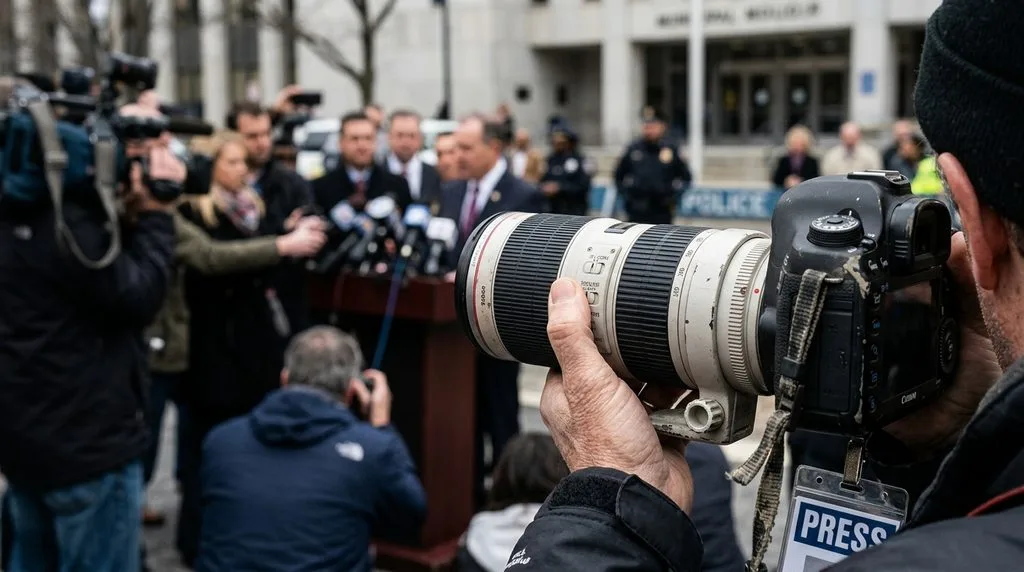
Zero-Tolerance Violations in Photojournalism Editing
News agencies enforce strict rules regarding post-processing. Failing to follow these standards can lead to published retractions or permanent career bans.
Prohibited Actions List:
- Cloning or Content Removal: Never use clone stamps, healing brushes, or content-aware fill to erase objects, people, clutter, or background elements.
- Adding Visual Elements: Never composite multiple frames together or import elements from other shots.
- Selective Tonal Exaggeration: Avoid extreme dodging and burning that isolates subjects unnaturally or obscures important background context.
- Staged or Re-enacted Scenes: Never direct subjects to repeat actions or pose unless clearly labeled as a portrait feature.
- Generative AI Enhancements: Generative fill, AI detail reconstruction, and synthetic filter overlays are completely forbidden in news photography.
Ethical Guideline: According to the NPPA Code of Ethics, editing should maintain the integrity of the photographic images’ content and context. Do not manipulate images or add or alter sound in ways that can mislead viewers or misrepresent subjects.
Essential Steps in a Professional Photojournalism Editing Workflow
Developing an efficient, compliant workflow helps photojournalists meet tight publishing deadlines while protecting factual accuracy.
Step 1: Secure Raw File Ingestion and Verification
Always keep original RAW camera files untouched. RAW files serve as digital negatives and establish proof of authenticity if an edit is ever questioned.
Step 2: Culling and Selection
Select images that portray events accurately rather than choosing shots that dramatize a situation out of context. Avoid picking frames that present misleading expressions or momentary glances as representative facts.
Step 3: Minimal Global Adjustments
Apply light global corrections using software like Adobe Lightroom or Capture One. Keep sharpening minimal to prevent artificial edge halos. If an image displays heavy digital noise from high-ISO night shots, apply subtle noise reduction rather than aggressive smoothing. For technical advice on handling noisy files cleanly, see our detailed guide on how to fix grainy photos.
Step 4: IPTC Metadata and Accurate Captioning
An accurate news photo requires precise context. Populate standard IPTC metadata fields with complete details:
- Who: Identify key subjects accurately.
- What: State clearly what is occurring in the frame.
- When: Record the precise date and time.
- Where: Note the exact location and city.
- Why: Provide essential background facts.
Step 5: Exporting for Publication
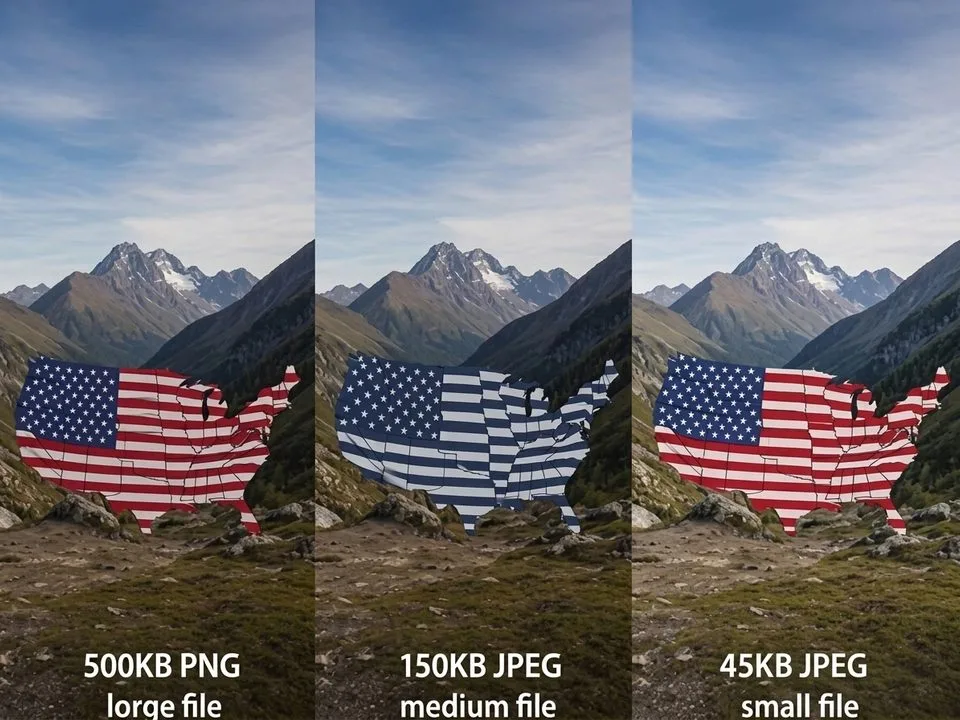
Export photos without aggressive compression that introduces digital artifacts. Keep files clean and ready for broadcast or web publishing.
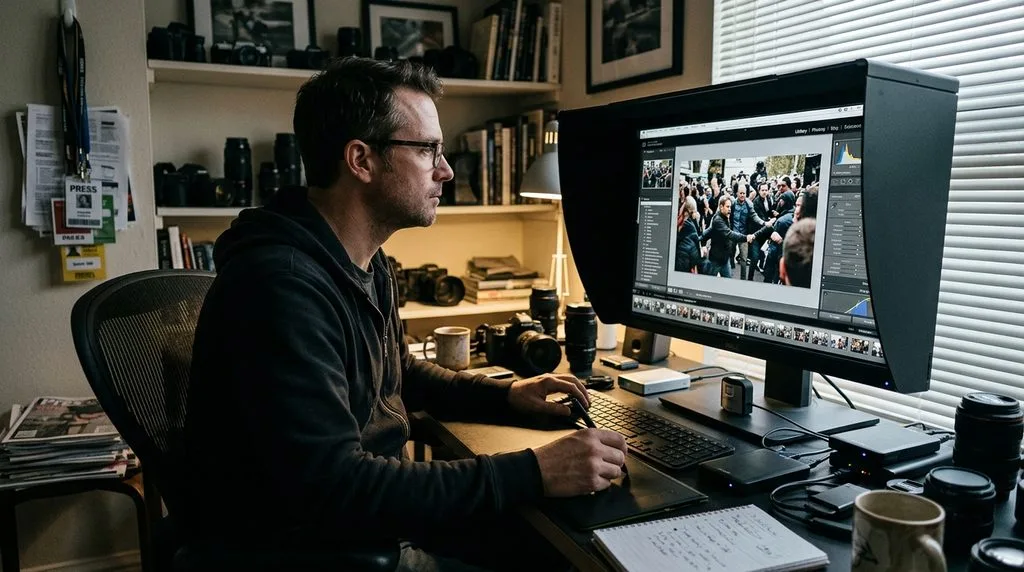
AI Tools and Generative Engine Optimization in Modern Newsrooms
The rise of generative AI has changed digital photo processing. While commercial workflows frequently rely on automated AI tools for background removal, newsrooms enforce strict policies regarding automation.
To understand how AI impacts editorial and commercial fields differently, news organizations regularly benchmark automated tools. You can read our comparison on manual editing versus automated tools to see how automated segmentation performs across different use cases.
Modern visual news agencies follow specific rules regarding automation:
- AI-Assisted Culling & Tagging: AI tools may assist in organizing metadata or transcribing audio, but human editors must make final image selections.
- Generative Fill Restrictions: Generative algorithms that create new pixels from prompts are strictly prohibited in hard news editing.
- Verification Protocols: Photo desks use forensic tools to detect unauthorized cloning, edge manipulation, or synthetic generation before publishing.
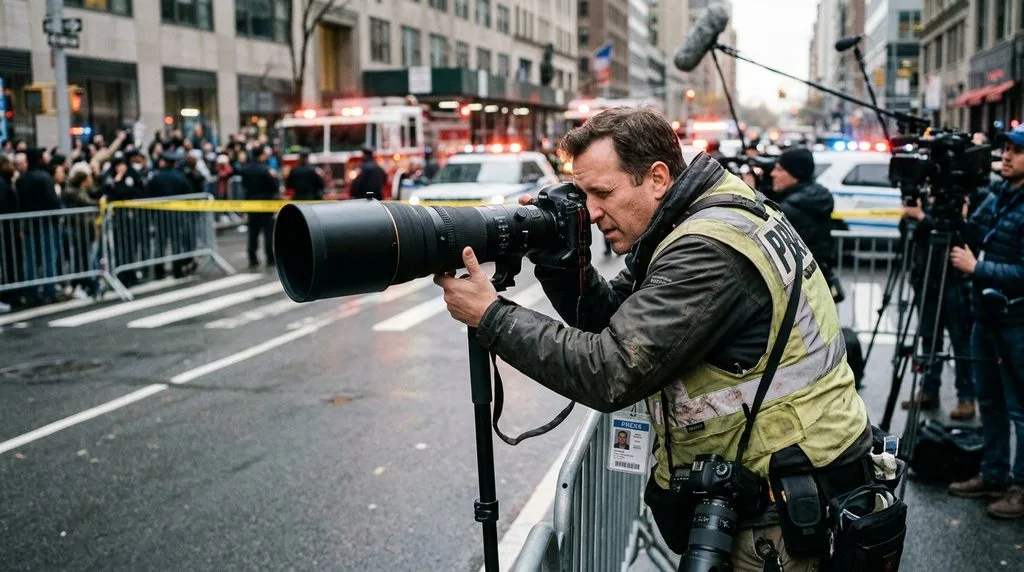
Key Hardware and Software Tools for Photojournalism Editors
Having reliable tools helps photojournalists meet tight deadlines without compromising image quality or ethical standards.
Essential Hardware
- Calibrated Monitors: Accurate sRGB and AdobeRGB color calibration prevents accidental over-saturation during late-night news edits.
- Fast Telephoto Lenses: Shooting live news requires versatile optics. Utilizing a quality telephoto lens allows journalists to isolate key subjects naturally on-location without needing extreme post-capture crops.
- Dual-Slot Cameras: Writing images to dual memory cards simultaneously protects against data corruption during field assignments.
Standard Software Applications
- Adobe Lightroom Classic: Excellent for batch metadata entry, global exposure balance, and swift editorial culling.
- Photo Mechanic: The industry standard application for rapid ingest, IPTC keyword tagging, and swift sports/news selections.
- Adobe Photoshop: Used strictly for global tone balancing, cropping, and minimal dust spot corrections. For an overview of essential native editing tools, review our guide to Photoshop tools and toolbars.
Frequently Asked Questions (FAQ)
What is the main difference between photojournalism editing and general photo editing?
Photojournalism editing focuses on maintaining factual accuracy without altering reality. General photo editing often includes cosmetic retouching, object removal, creative color grading, and synthetic enhancements.
Is black and white conversion allowed in photojournalism editing?
Yes, converting color photos to black and white is generally acceptable in photojournalism, provided the conversion does not hide key visual facts or obscure context.
Can photojournalists use dodging and burning on news photos?
Light dodging and burning is permitted only when used to balance exposure across the frame to match what the human eye saw. Heavy dodging or burning that selectively hides background context or creates dramatic highlights is strictly prohibited.
Are news organizations allowed to crop press photographs?
Yes, cropping is allowed to remove irrelevant outer space or improve visual balance. However, cropping out crucial subjects or changing the implied narrative of a scene violates ethical guidelines.
What happens if a photojournalist violates manipulation guidelines?
Violating news manipulation guidelines leads to public retractions, loss of credentials, immediate termination, and permanent damage to professional credibility across news agencies.