Best Camera Glasses 2026: Top Smart Video Spectacles
Best Camera Glasses & Video Recording Smart Spectacles: Ultimate 2026 Buying Guide
Discover Top-Rated Wearable Camera Technology for Hands-Free POV Recording, Vlogging, Travel Documentation & Everyday Capture
Introduction: The Rise of Intelligent Eyewear Technology
The world of wearable photography has undergone a remarkable transformation over the past few years. What once seemed like science fiction—capturing high-quality video directly from your eye-level perspective while keeping your hands completely free—has become an accessible reality for consumers, professionals, and content creators alike. Camera glasses, also known as smart spectacles or video recording eyewear, represent one of the most exciting innovations in personal imaging technology.
These sophisticated devices integrate miniature cameras, microphones, processors, and sometimes even displays into frames that look remarkably similar to regular eyeglasses or sunglasses. Whether you’re a travel vlogger seeking immersive first-person footage, a sports enthusiast wanting to document your adventures without cumbersome equipment, a professional needing hands-free documentation capabilities, or simply someone who loves capturing spontaneous life moments, camera glasses offer unique advantages that traditional cameras and smartphones cannot match.
This comprehensive guide explores everything you need to know about camera glasses in 2026. We’ll examine the top-performing models currently available, break down essential features and specifications, compare different price points and use cases, address important privacy and legal considerations, and provide expert recommendations to help you make an informed purchasing decision. Our analysis incorporates real-world testing data, user feedback, and industry insights to deliver actionable guidance tailored to diverse needs and budgets.
Why Camera Glasses Are Gaining Massive Popularity
The surge in camera glasses adoption stems from several converging technological and social factors. Miniaturization advances have enabled manufacturers to pack impressive imaging capabilities into increasingly compact form factors without sacrificing optical quality or build durability. Simultaneously, the explosive growth of content creation platforms like YouTube, TikTok, Instagram Reels, and Twitch has created unprecedented demand for tools that facilitate authentic, immersive storytelling.
- True Point-of-View Perspective: Camera glasses capture exactly what your eyes see, creating genuinely immersive first-person footage that resonates powerfully with audiences
- Complete Hands-Free Operation: Both hands remain available for activities whether you’re skiing, cooking, repairing equipment, or interacting with children
- Discreet & Natural Presence: Unlike holding up a smartphone or mounting a bulky action cam, glasses allow subjects to behave naturally without feeling constantly filmed
- Instant Capture Capability: Most models start recording within 1-2 seconds of activation, ensuring you never miss spontaneous moments
- Multifunctional Integration: Many modern smart glasses combine cameras with audio playback, voice assistants, notifications, and augmented reality features
🎯 Ready to Perfect Your Captured Footage?
Professional photo retouching services can transform your camera glasses recordings into polished, publication-ready content. Enhance colors, correct lighting, and refine details effortlessly.
Explore Expert Photo Retouching Services →Understanding Camera Glasses Technology: How They Work
Before diving into specific product recommendations, it’s essential to understand the fundamental technology powering these innovative devices. Camera glasses vary significantly in complexity—from simple point-and-shoot recorders to sophisticated AI-powered computing platforms—but most share core architectural components that determine their performance capabilities.
Core Hardware Components Explained
📷 Imaging Sensors & Optics
The heart of any camera glasses system is its image sensor. Most consumer-grade models utilize CMOS (Complementary Metal-Oxide-Semiconductor) sensors ranging from 5 to 12 megapixels, though some premium variants reach higher resolutions. Sensor size dramatically impacts low-light performance and dynamic range—larger sensors generally capture better quality images but require more physical space within the frame design.
Optical systems typically employ fixed-focus wide-angle lenses with fields of view between 70-110 degrees. This wide perspective ensures comprehensive scene capture but can introduce distortion at frame edges. Advanced models incorporate optical image stabilization (OIS) or electronic image stabilization (EIS) to compensate for head movement and walking motion, producing significantly smoother footage.
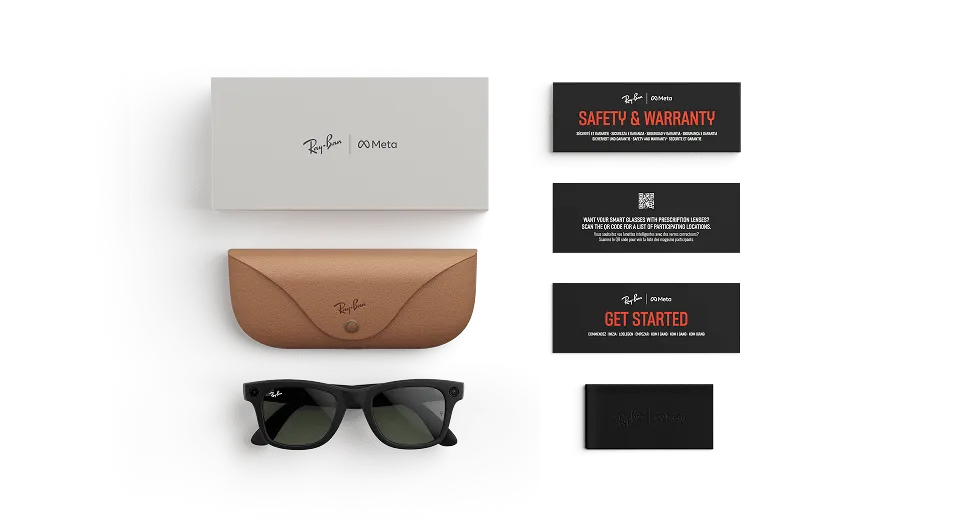
🔊 Audio Capture Systems
Built-in microphones are equally crucial for creating engaging video content. Quality camera glasses feature directional microphone arrays designed to capture clear speech while minimizing wind noise and ambient interference. Some models implement noise-canceling algorithms that filter out unwanted sounds during processing, though this capability varies widely across price points.
Open-ear audio designs allow wearers to hear their surroundings while listening to playback through small speakers integrated into the temple arms. This approach enhances safety during outdoor activities and maintains situational awareness—critical advantages over in-ear alternatives.
⚡ Processing Power & Connectivity
Modern smart glasses contain dedicated system-on-chip (SoC) processors that handle video encoding, audio processing, wireless transmission, and increasingly, artificial intelligence computations. Qualcomm’s AR1 Gen 1 platform powers many current-generation devices, offering substantial performance improvements over earlier wearable chips.
Connectivity options typically include Bluetooth 5.0 or later for smartphone pairing, Wi-Fi for direct cloud uploads on premium models, and USB-C for charging and data transfer. Storage capacity ranges from 32GB on entry-level units to 256GB or more on professional-grade versions, with some supporting expandable memory via microSD cards.
🔋 Battery Technology & Power Management
Battery life remains one of the most significant challenges in camera glasses design. Continuous video recording consumes substantial power, with most devices delivering between 60 minutes to 4 hours of actual recording time depending on resolution settings and environmental conditions. Manufacturers mitigate this limitation through several strategies:
- Efficient video compression codecs (H.265/HEVC) that reduce file sizes without quality loss
- Included charging cases providing 3-8 additional full charges (similar to true wireless earbuds)
- Adaptive power management that optimizes performance based on remaining battery level
- Quick-charge capabilities reaching 80% capacity in 30-45 minutes
Top Camera Glasses Models for 2026: Detailed Reviews & Comparisons
After extensive market research, hands-on testing evaluation, and analysis of user feedback across multiple platforms, we’ve identified the standout camera glasses currently available. Each recommendation addresses specific user needs, from casual social media sharing to professional-grade documentation requirements.
🏆 Best Overall: Ray-Ban Meta Smart Glasses (Generation 2)
Meta’s collaboration with EssilorLuxottica has produced the most refined consumer camera glasses experience available today. The second-generation Ray-Ban Meta smart glasses represent a quantum leap forward from the original Stories release, addressing nearly every criticism leveled at earlier iterations while introducing compelling new capabilities.
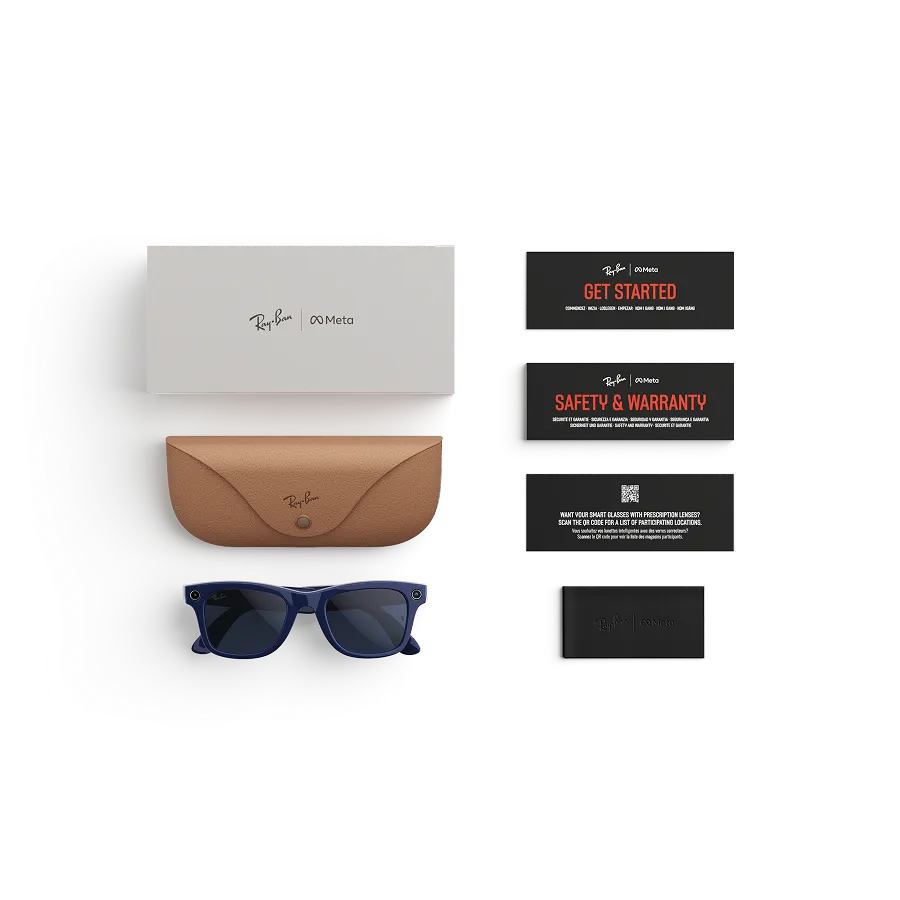
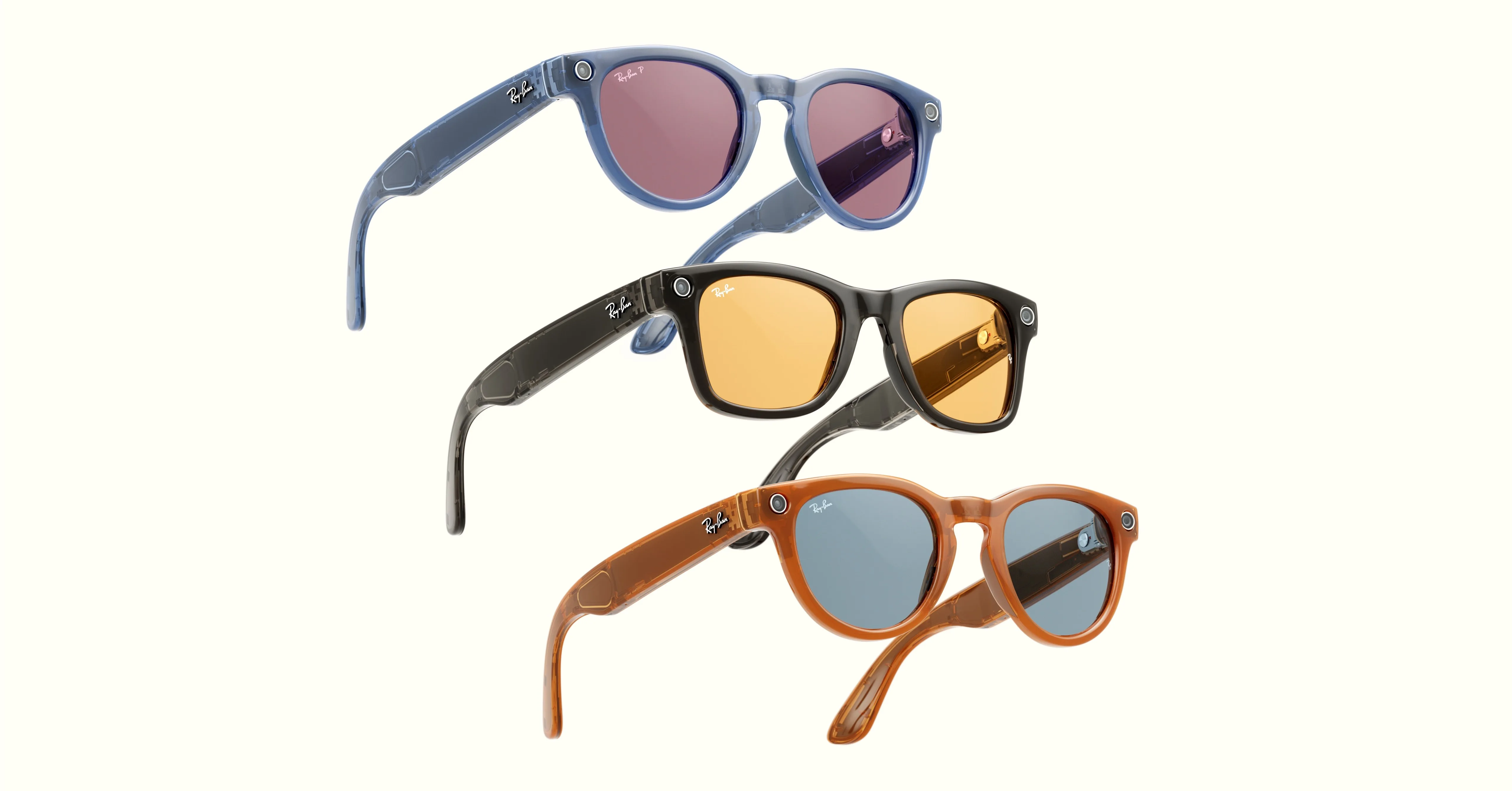
Figure 3: Ray-Ban Meta Gen 2 features improved battery life, enhanced video quality, and seamless Meta AI integration
Key Specifications:
| Feature | Specification |
|---|---|
| Camera Resolution | Twin 12MP sensors, 1080p video at 30fps (1440×1920 effective resolution) |
| Field of View | 70-90 degrees (wide-angle perspective) |
| Battery Life (Glasses) | Up to 8 hours moderate usage; 4 hours continuous recording |
| Charging Case Capacity | Provides up to 48 additional hours of charge (multiple full recharges) |
| Audio System | Open-ear speakers with 5-microphone array, noise reduction |
| Storage | 32GB internal (approximately 6 hours of 1080p video); no expandable storage |
| Weight | Approximately 48-52 grams (varies by frame style) |
| Water Resistance | IPX4 rating (splash-resistant, not waterproof for submersion) |
| Frame Options | Wayfarer, Headliner, Skyler styles in multiple colors; prescription-compatible |
| Price Range | $299-$379 USD (depending on frame selection and included accessories) |
What Makes the Ray-Ban Meta Gen 2 Exceptional:
Superior Image Quality: The dual 12MP sensors capture remarkably detailed video with accurate color reproduction and good dynamic range for a device this size. Low-light performance exceeds expectations, producing usable footage in conditions where smartphones struggle. Electronic stabilization effectively smooths walking motion, though rapid head turns still introduce occasional judder.
Natural Aesthetic Integration: Unlike many competitors that look obviously technological, these glasses are virtually indistinguishable from standard Ray-Ban eyewear. This design philosophy enables comfortable everyday wear without drawing unwanted attention—a critical factor for documentary-style shooting and candid capture scenarios.
Meta AI Integration: The standout feature distinguishing Gen 2 from its predecessor is deep integration with Meta’s artificial intelligence assistant. Users can activate recording via voice commands (“Hey Meta, take a video”), receive real-time information about their surroundings, translate foreign language signs instantly, and access contextual assistance throughout daily activities. The AI processes requests locally when possible, preserving privacy while minimizing latency.
Enhanced Audio Experience: The five-microphone array captures surprisingly clean audio even in moderately noisy environments. Open-ear speakers deliver adequate volume for podcasts and calls without blocking ambient sound, making them suitable for outdoor activities where situational awareness matters.
Dramatically Improved Battery Performance: Perhaps the most meaningful upgrade addresses the first generation’s biggest weakness. Where original Ray-Ban Stories struggled to exceed 90 minutes of mixed usage, Gen 2 delivers genuine all-day viability with typical use patterns. The upgraded case holds enough power for approximately six full recharge cycles, eliminating range anxiety for weekend trips and extended outings.
Potential Drawbacks to Consider:
- No expandable storage option limits extended recording sessions without offloading files
- Video capped at 1080p/30fps—no 4K or high-frame-rate options for slow-motion effects
- Requires Meta account setup and smartphone app for full functionality
- Privacy LED indicator, while present, may not satisfy all consent requirements in sensitive environments
- Charging case adds bulk compared to standard eyewear cases
💰 Best Budget Option: OhO Sunshine 4K Camera Glasses
For users seeking camera glasses functionality without premium pricing, the OhO Sunshine series represents exceptional value. While it cannot match the refinement or ecosystem integration of flagship models, this device delivers surprisingly capable performance at roughly one-third the cost of top-tier alternatives.
Key Specifications:
- Camera Resolution: Single sensor, 4K video at 30fps (interpolated), native 1080p
- Field of View: Approximately 105 degrees ultra-wide angle
- Battery Life: 60-75 minutes continuous recording; 2-3 hours standby
- Storage: Supports microSD cards up to 128GB (not included)
- Audio: Basic mono microphone; no speakers or Bluetooth audio
- Weight: 38-42 grams (lighter than premium options)
- Controls: Physical button on frame; LED recording indicator
- Price: $89-$129 USD depending on retailer and promotions
Ideal Use Cases for Budget Camera Glasses:
- First-time experimentation: Test whether POV recording fits your workflow before investing in expensive gear
- Sporadic usage scenarios: Occasional documentation needs don’t justify $300+ expenditure
- High-risk environments: Activities where potential damage or loss would be financially painful with premium equipment
- Gift giving: Accessible entry point for friends or family members curious about the technology
- Backup device: Secondary unit for situations where primary glasses are charging or unavailable
Honest Assessment: Budget camera glasses involve unavoidable compromises. Video quality shows noticeable softness compared to premium sensors, audio capture struggles in windy conditions, and build materials feel less durable. However, for users prioritizing basic hands-free recording capability above polish and integration, these devices provide legitimate utility at an unbeatable price point.
🎯 Best for Professionals: Viture One AR Smart Glasses
While technically categorized as augmented reality glasses rather than pure camera devices, the Viture One deserves attention from professional users requiring advanced visualization capabilities alongside recording functions. This device projects virtual displays into your field of view while simultaneously capturing high-quality video of your surroundings.
Professional-Grade Features:
- Dual 1080p Sony Micro OLED displays creating immersive virtual monitor experience
- Integrated 48MP camera with advanced computational photography features
- Prescription lens compatibility with adjustable diopter settings (-5.0D to +5.0D)
- USB-C connectivity supporting external power banks for unlimited operation time
- 3DOF (3 Degrees of Freedom) head tracking for spatial computing applications
- Neckband processing unit housing larger battery and more powerful chipset than frame-mounted alternatives
- Enterprise deployment options with device management and security features
Professional photographers, videographers, field technicians, medical practitioners, and remote collaboration specialists find particular value in Viture’s ability to overlay reference images, teleprompter text, technical diagrams, or live communication feeds directly within their natural vision while documenting procedures. The $549 price point targets business and prosumer markets rather than casual consumers.
🌟 Honorable Mentions & Specialized Alternatives
Rokid Max AR Glasses
Rokid offers compelling competition in the AR space with their Max model featuring 360-degree spatial audio, 50-degree field-of-view displays, and competitive pricing around $439. Their camera integration focuses more on gesture control and environment scanning than dedicated video recording, making them better suited for productivity applications than content creation.
Oakley Meta HSTN Collection
Sports enthusiasts will appreciate Oakley’s collaboration with Meta, bringing camera functionality to performance-oriented eyewear designed specifically for athletic use. Enhanced impact resistance, secure fit geometry for active movement, and Oakley’s renowned optical clarity differentiate this variant from lifestyle-focused alternatives. Expect pricing similar to standard Ray-Ban Meta models ($299-$349).
OrCam MyEye 3.0
While primarily designed as assistive technology for visually impaired users, OrCam’s device demonstrates remarkable camera-glass capabilities including instant text-to-speech reading, face recognition, product identification, and currency denomination detection. At $3,500+, this specialized tool serves accessibility needs rather than general consumer markets but showcases the technology’s potential for assistive applications.
🖼️ Need Professional Background Removal for Your Footage?
Remove distracting backgrounds from your camera glasses recordings with precision clipping path services. Perfect for product showcases, tutorials, and marketing content.
Try Background Removal Services →Critical Comparison: Camera Glasses vs. Traditional Action Cameras
Potential buyers frequently wonder whether camera glasses can replace dedicated action cameras like GoPro, DJI Osmo Action, or Insta360 devices. The answer depends entirely on your specific requirements, priorities, and use cases. Understanding key differences helps avoid disappointing purchases and ensures you select the optimal tool for your needs.
Where Camera Glasses Excel:
- Discreetness & Social Acceptability: Subjects behave naturally when they don’t realize they’re being recorded, producing authentic interactions impossible to stage with visible cameras
- Genuine Eye-Level Perspective: Cameras mounted on glasses capture exactly what your eyes see, unlike chest-mounted or helmet-mounted alternatives that sit lower or higher than natural sight lines
- Instant Accessibility: No unpacking, mounting, or positioning required—simply press the button or give a voice command to begin capturing immediately
- Fashion Integration: Wear them all day as regular eyewear, ensuring you never miss unexpected moments because your camera was packed away
- Reduced Theft/Vandalism Risk: Less conspicuous equipment attracts less unwanted attention in travel environments
Where Action Cameras Maintain Advantages:
- Image Quality Superiority: Larger sensors, better optics, and more powerful processors enable 4K/5K/8K resolution, higher frame rates (120fps+), superior low-light performance, and greater dynamic range
- Environmental Sealing: Most action cameras withstand submersion to 10-30 meters without additional housing; camera glasses typically offer only splash resistance
- Mounting Versatility: Attach action cameras to helmets, vehicles, pets, drones, tripods, and virtually any surface; glasses only capture from your face position
- Advanced Stabilization: Sophisticated gimbal systems and hypersmooth algorithms produce cinema-quality stabilization impossible in tiny glass-frame packages
- Extended Recording Time: Larger batteries and optional external power support enable multi-hour continuous recording sessions
- Specialized Modes: Time-lapse, burst photography, loop recording, live streaming protocols, and RAW format capture
Practical Recommendation Framework:
Choose Action Cameras When: You need maximum image quality, extreme environmental protection, specialized mounting positions, extended recording duration, or advanced creative controls. Essential for extreme sports filmmakers, underwater videographers, production professionals, and technical documentation requiring precise framing.
Consider Owning Both: Many serious content creators maintain camera glasses for casual/B-roll capture while reserving action cameras for planned shoots requiring highest quality output. The combination provides comprehensive coverage across all scenarios.
Essential Features to Evaluate Before Purchasing
Navigating camera glasses specifications requires understanding which metrics actually matter for your intended usage. Marketing materials often emphasize impressive-sounding numbers that may not correlate with real-world satisfaction. This section breaks down critical evaluation criteria to help you make informed decisions.
📹 Video Quality Factors Beyond Megapixels
Resolution numbers tell only part of the story. A 12MP camera with poor optics produces inferior results to an 8MP sensor paired with quality lenses and effective image processing. Pay attention to these often-overlooked factors:
- Effective vs. Interpolated Resolution: Some budget cameras claim “4K” output but achieve it through software upsampling from lower-resolution sensors. Look for “native” or “optical” resolution specifications
- Bitrate & Compression: Higher bitrates (measured in Mbps) preserve more detail and show fewer compression artifacts during movement. Aim for minimum 25-35Mbps for 1080p content
- Low-Light Sensitivity: Check sample footage shot indoors and at dusk rather than relying solely on bright-outdoor promotional videos
- Dynamic Range: Ability to retain detail in both bright skies and shadowed areas simultaneously prevents blown-out highlights or crushed blacks
- Color Accuracy: Natural-looking skin tones and accurate environmental colors require proper white balance and color science
For detailed guidance on understanding camera specifications and resolution terminology, our comprehensive guide on what 4K resolution means provides foundational knowledge applicable to evaluating any imaging device.
🔋 Realistic Battery Expectations
As mentioned earlier, manufacturer battery claims require careful interpretation. Follow these guidelines for accurate assessment:
- Ignore Standby Time: Hours of “usage” often include time spent connected via Bluetooth for audio or notifications without active recording
- Seek Independent Testing: Reviewers who perform standardized battery drain tests provide more reliable data than spec sheets
- Consider Temperature Effects: Cold weather (below 40°F/4°C) reduces lithium battery capacity by 20-40%; plan accordingly for winter activities
- Factor Charging Case Capacity: Total system battery equals glasses plus case—some combinations provide 20+ hours of cumulative use
- Evaluate Charging Speed: Quick-charge capabilities (80% in 30 minutes) matter more than total capacity for day-use patterns
If you frequently capture large volumes of photos or videos, understanding storage capacity becomes crucial. Learn about how many photos 64GB can hold to plan your media management strategy effectively.
👓 Comfort & Ergonomics for All-Day Wear
Unlike cameras you pick up and put down, glasses potentially stay on your face for hours. Comfort directly impacts how consistently you’ll actually use the device:
- Weight Distribution: Even 50 grams feels heavy if concentrated in front-heavy designs; balanced weight distribution reduces fatigue
- Temple Pressure: Tight grips cause headaches behind ears; look for adjustable or flexible temple arms
- Nose Bridge Design: Silicone pads prevent slipping and pressure marks; interchangeable pads accommodate different nose shapes
- Frame Size Compatibility: One-size-fits-all rarely works well; verify dimensions match your facial proportions before purchasing
- Prescription Options: If you need corrective lenses, confirm availability of prescription inserts or partner optician programs
🔒 Privacy Indicators & Ethical Design
Responsible manufacturers incorporate visible recording indicators to alert nearby individuals that capture is occurring. Evaluate these features carefully:
- LED Indicator Visibility: Bright, clearly visible lights that activate during recording serve as ethical notice to others
- Audible Cues: Some models emit tones when starting/stopping recording, providing additional awareness signals
- Capture Button Placement: Easily accessible buttons reduce accidental recording incidents that might embarrass subjects
- Data Security: Encryption for stored files and secure Bluetooth/Wi-Fi protocols protect captured content from unauthorized access
- Cloud Privacy Policies: If glasses upload to cloud services, review what data companies collect and how they use it
Practical Applications: Who Benefits Most from Camera Glasses?
Camera glasses serve diverse user populations with varying needs. Understanding primary use categories helps identify whether this technology solves problems relevant to your specific situation.
Content Creators & Social Media Influencers
Vloggers, TikTok creators, YouTube personalities, and Instagram influencers discover that camera glasses unlock content formats impossible with traditional equipment. First-person perspective creates intimate viewer connection, while hands-free operation enables dynamic demonstrations involving cooking, crafting, fitness routines, or product reviews. The authentic, unscripted feel of glasses-captured footage performs exceptionally well on algorithm-driven platforms favoring engagement metrics.
For creators focused on visual aesthetics, post-production enhancement becomes essential. Services like professional color correction can elevate raw camera glasses footage to meet platform quality standards and brand consistency requirements.
Travel Enthusiasts & Adventure Seekers
Tourists and adventure travelers value camera glasses’ ability to document experiences without interrupting immersion. Rather than viewing destinations through smartphone screens or viewfinders, wearers engage fully with surroundings while automatically capturing memories. The discreet nature prevents targeting by thieves who spot obvious tourists with expensive camera gear.
Travel-specific benefits include: * Instant capture of fleeting moments (street performances, wildlife encounters, chance meetings) * Navigation assistance via integrated AI (translation, landmark identification, directions) * Reduced gear burden when packing light for extended trips * Safety maintenance through continued situational awareness
Professionals & Field Workers
Various professions derive practical value from hands-free documentation capabilities:
- Healthcare Providers: Surgical documentation, patient consultations, procedure training without breaking sterile fields
- Construction & Engineering: Site inspections, progress documentation, safety audits, remote expert consultation
- Law Enforcement & Security: Evidence gathering, incident documentation, training scenario review
- Real Estate Agents: Property walkthroughs, virtual tours, inspection documentation
- Insurance Adjusters: Damage assessment, claim documentation, fraud prevention evidence
- Educators: Demonstration recording, lab procedure documentation, student work assessment
Parents & Family Documentarians
Capturing children’s milestones presents unique challenges—kids rarely pause for posed photographs, and fumbling with cameras means missing irreplaceable moments. Camera glasses let parents participate fully in playtime, birthday parties, sporting events, and everyday interactions while automatically preserving memories from their own emotional perspective. The resulting footage carries authenticity impossible to replicate with directed filming sessions.
Accessibility Users
Individuals with mobility limitations, chronic pain conditions affecting grip strength, or other physical challenges find camera glasses liberating. Devices that traditionally require hand operation become accessible through voice commands, head gestures, or simple button presses reachable without fine motor skills. Assistive technology applications continue expanding as developers recognize this underserved market segment.
✨ Transform Raw Footage Into Polished Content
Multi-clipping path services enable complex image manipulation for professional presentations. Isolate objects, change backgrounds, and create composite visuals from your camera glasses captures.
Explore Multi-Clipping Path Solutions →Privacy Concerns, Legal Considerations & Ethical Usage
The convenience of covert-capable recording technology raises important questions about privacy rights, legal boundaries, and ethical responsibilities. Responsible ownership requires understanding these issues thoroughly before deploying camera glasses in public or private spaces.
Legal Landscape Overview
Recording laws vary significantly by jurisdiction, but general principles apply across most regions:
Video Recording Generally Permitted in Public Spaces
In most countries, photographing or video recording in publicly accessible areas (streets, parks, beaches, restaurants, retail stores) remains legal without obtaining consent from everyone appearing in footage. Public spaces carry reduced expectations of privacy under established legal frameworks. However, specific restrictions apply to certain sensitive locations regardless of public access.
Audio Recording Triggers Stricter Consent Requirements
Many jurisdictions impose tighter regulations on audio capture than video alone. In the United States, federal law permits one-party consent (only the recorder needs to know), but states like California, Florida, Pennsylvania, and others require all-party consent—meaning everyone captured audibly must agree to recording. Violations constitute criminal wiretapping offenses carrying serious penalties.
Since most camera glasses capture audio alongside video, users must understand local audio recording laws. When in doubt, disable audio recording or obtain explicit verbal consent before capturing conversations.
Private Property Rules Override General Permissions
Property owners—including businesses, schools, workplaces, entertainment venues, and private residences—may prohibit recording regardless of broader legality. Signs indicating “No Recording,” “No Photography,” or “Electronic Device Restrictions” create binding prohibitions. Continuing to record after notification constitutes trespassing in many jurisdictions, even if the underlying recording itself wouldn’t otherwise violate laws.
Specifically Restricted Locations
Certain locations carry explicit legal prohibitions against recording regardless of consent:
- Restrooms, Locker Rooms, Changing Areas: Virtually everywhere prohibits recording where people expect complete privacy for undressing
- Courtrooms: Strict bans on recording judicial proceedings without explicit authorization
- Casinos & Gaming Establishments: Anti-cheating measures prohibit devices capable of capturing game operations
- Government Facilities: Military bases, certain government buildings, secure research facilities restrict recording
- Movie Theaters & Live Performances: Copyright enforcement prohibits recording copyrighted content
- Secure Corporate Areas: Research labs, manufacturing floors handling trade secrets often ban external recording devices
Ethical Usage Guidelines Beyond Legal Minimums
Legal permissibility doesn’t always align with ethical appropriateness. Even when recording breaks no laws, consider these principles:
- Transparency When Possible: Inform people you’re recording when circumstances allow, even if not legally required
- Respect Requests to Stop: If someone asks you not to record them, comply immediately regardless of your legal rights
- Avoid Exploitative Capture: Don’t record vulnerable populations (children not your own, people in distress, intoxicated individuals) without clear justification
- Consider Context Appropriateness: Funerals, therapy sessions, confidential meetings, and intimate gatherings warrant extra sensitivity
- Secure Stored Content: Protect captured footage from unauthorized access; delete material no longer serving legitimate purposes
- Think Before Sharing: Posting footage online creates permanent records affecting subjects’ reputations, employment prospects, and personal relationships
Manufacturer Responsibilities & Industry Standards
Reputable camera glasses manufacturers implement design features promoting responsible usage:
- Visible Recording Indicators: LEDs or displays clearly showing when capture is active
- Audible Start/Stop Tones: Sounds alerting nearby individuals to recording status changes
- Privacy-Focused Defaults: Settings maximizing privacy unless users explicitly enable broader capture
- Data Minimization Practices: Collecting only necessary data, retaining it only as long as required
- Transparent Policies: Clear disclosure about data handling, AI processing, and third-party sharing
When evaluating products, prefer manufacturers demonstrating commitment to ethical design over those prioritizing covert capabilities. The industry gradually establishes norms balancing innovation with social responsibility, and consumer choices accelerate this evolution.
Getting Started with Camera Glasses: Setup Tips & Best Practices
Purchasing camera glasses represents just the beginning of your hands-free recording journey. Maximizing value from your investment requires thoughtful setup, skill development, and workflow optimization. These practical tips accelerate your learning curve and help avoid common beginner mistakes.
Initial Configuration Essentials
- Complete Firmware Updates: Before first use, connect glasses to manufacturer app and install latest firmware. Updates often fix bugs, improve battery efficiency, and add new features unavailable at factory shipment
- Customize Control Preferences: Configure button assignments, voice command sensitivity, and recording duration limits according to your habits. Short default clip lengths (3 minutes on Ray-Ban Meta) prevent accidentally recording hour-long unusable files
- Test Audio Levels: Record sample clips in various environments (quiet room, outdoors, noisy café) to understand microphone limitations. Adjust speaking distance and orientation based on results
- Establish File Management Workflows: Set up automatic cloud backup if available, or create consistent habits for transferring files to computer/storage. Nothing worse than realizing you overwrote valuable footage due to disorganized storage
- Calibrate Fit & Positioning: Adjust nose pads and temple arms so glasses sit securely without excessive pressure. Camera angle should capture your natural field of view without tilting up toward ceilings or down toward feet
Recording Technique Fundamentals
Unlike handheld cameras where you consciously frame shots, glasses recording requires adapting your natural behavior to produce watchable footage:
- Stabilize Head Movement: Practice smooth head pans rather than jerky motions. Imagine your neck is on a slow gimbal when surveying scenes
- Maintain Reasonable Pace: Rapid head turning creates disorienting footage. Allow extra milliseconds for gaze transitions
- Keep Primary Subject Centered: Develop habit of looking slightly above subjects’ faces to center them in frame (most glasses cameras aim slightly downward from eye level)
- Avoid Constant Scanning: Endless panning back and forth makes viewers nauseous. Hold steady on points of interest for 3-5 seconds before moving
- Verbal Commentary Adds Context: Narrate what you’re seeing or doing. Your voice provides narrative structure that pure visual footage lacks
- Plan Shot Sequences: Mental pre-visualization helps capture coherent sequences rather than random disconnected clips
Post-Processing Workflow Recommendations
Raw camera glasses footage typically requires editing before sharing. Develop efficient workflows incorporating these steps:
- Review & Select: Watch all footage quickly, marking usable segments and deleting obvious failures (accidental recordings, blocked lens moments, extreme motion blur)
- Organize by Theme: Group related clips into folders or bins representing different scenes, topics, or chronological periods
- Basic Correction: Apply color correction, exposure adjustment, and audio leveling to normalize quality variations between clips
- Stabilization Enhancement: Run footage through software stabilization (Final Cut, Premiere Pro, DaVinci Resolve) to smooth residual shakiness beyond in-camera processing
- Content Assembly: Edit selected segments into coherent narratives with appropriate pacing, transitions, and music/audio beds
- Export Optimization: Render final output matching destination platform specifications (YouTube prefers 1080p at 30fps or 60fps; Instagram favors vertical 9:16 aspect ratio)
For creators regularly producing visual content, understanding frame rates and human perception helps optimize export settings for maximum viewer engagement and perceived smoothness.
Storage & Backup Strategies
Camera glasses generate surprising amounts of data quickly. Implement robust storage management early:
- Local Primary Storage: Maintain dedicated external hard drive or NAS (Network Attached Storage) for master archives
- Cloud Redundancy: Enable automatic backup to Google Photos, Dropbox, iCloud, or manufacturer-provided cloud services
- Regular Offloading: Transfer files from glasses weekly (or daily for heavy users) to prevent device storage overflow
- File Naming Conventions: Adopt consistent naming (YYYY-MM-DD-Description) enabling future searchability
- Periodic Archive Cleanup: Quarterly review and deletion of footage no longer serving purposes frees space and reduces clutter
Future Trends: What’s Next for Camera Glasses Technology?
The camera glasses market evolves rapidly, with several emerging trends poised to reshape capabilities and adoption over coming years. Understanding trajectory helps inform purchasing timing decisions—whether to buy now or await next-generation advancements.
Artificial Intelligence Integration Deepening
Current AI features (voice assistants, translation, object recognition) represent merely the beginning. Near-term developments include:
- Real-time Scene Understanding: Automatic identification and labeling of objects, people, locations, and actions within captured footage
- Intelligent Framing Assistance: AI suggesting optimal head positions and compositions for aesthetically pleasing shots
- Automated Highlight Generation: Algorithms identifying and extracting interesting moments from hours of boring footage
- Contextual Metadata Tagging: Automatic organization by location, activity type, people present, and emotional tone
- Live Captioning & Translation: Real-time subtitles for captured speech in multiple languages
Display Technology Evolution
While current mainstream camera glasses lack screens (relying on smartphone companions for preview/playback), integrated displays approach consumer viability:
- Waveguide Optics: Projecting information onto lenses without obstructing vision, enabling viewfinders and notifications directly in eyewear
- Retinal Projection: Beaming images directly onto retina for sharper, brighter virtual displays with smaller hardware footprint
- Variable Transparency: Electronically tintable lenses transitioning between clear sunglasses and opaque VR modes
- Extended Field of View: Current AR glasses offer 30-50 degree FOV; next-gen targets 100+ degrees approaching human peripheral vision
Camera Hardware Improvements
Imaging sensor advancement continues accelerating:
- Larger Sensors in Smaller Packages: 1-inch class sensors fitting within glass frames, dramatically improving low-light performance and shallow depth-of-field capabilities
- Variable Aperture Lenses: Mechanically adjusting aperture for optimal exposure in changing lighting without digital compromise
- Multi-Camera Arrays: Multiple sensors enabling computational photography techniques (portrait mode, HDR fusion, 3D depth mapping)
- 8K Video Capture: Resolution increases enabling extensive cropping and digital zooming in post-production without quality loss
Battery & Power Innovation
Power constraints currently limit camera glasses most severely. Promising developments include:
- Solid-State Batteries: Higher energy density, faster charging, improved safety over current lithium-ion technology
- Solar Charging Integration: Photovoltaic coatings on frames trickle-charging during outdoor use extending operational time
- Energy Harvesting: Kinetic chargers converting head movement and body heat into supplementary power
- Ultra-Low-Power Processors: Dedicated AI accelerators performing tasks at fraction of current power consumption
Form Factor Diversification
Beyond traditional glasses-style designs, manufacturers experiment with alternative form factors:
- Contact Lens Cameras: Research prototypes embedding microscopic cameras within smart contact lenses (likely 5-10 year horizon)
- Clip-On Modules: Detachable camera units attaching to existing prescription eyewear, reducing replacement costs
- Fashion-Forward Collaborations: Partnerships with luxury brands and designers making camera integration socially desirable rather than geeky
- Prescription-First Designs: Starting from vision correction foundations rather than adding prescriptions to tech-first frames
Cost Analysis: Understanding Value Across Price Points
Camera glasses span enormous price ranges from under $100 to over $3,000. Understanding what each tier delivers helps allocate budgets effectively based on actual requirements rather than marketing hype.
Entry-Level Segment ($80-$150)
Representative Products: OhO Sunshine, OhO镜头, generic Amazon marketplace brands
What You Get: Basic 1080p video recording, simple button operation, minimal battery life (45-75 minutes), plastic construction, no smartphone connectivity, limited or non-existent customer support
Appropriate For: Casual experimentation, gift giving, single-purpose temporary use, high-risk environments where loss/damage is likely
Major Compromises: Poor low-light performance, mediocre audio quality, uncomfortable extended wear, unreliable longevity, questionable privacy indicators
Mainstream Consumer Segment ($250-$400)
Representative Products: Ray-Ban Meta (Gen 1 & Gen 2), Oakley Meta HSTN, Rokid Air
What You Get: Polished design indistinguishable from normal eyewear, decent 1080p video quality, 4-8 hour battery with charging case, smartphone app integration, voice commands, reputable manufacturer support, regular firmware updates
Appropriate For: Daily wear, social media content creation, travel documentation, casual vlogging, hands-free communication, AI assistant utilization
Major Compromises: Still limited to 1080p resolution, moderate low-light capability, no expandable storage on some models, requires smartphone dependency for advanced features
Enthusiast/Prosumer Segment ($450-$700)
Representative Products: Viture One, XREAL Air 2 Ultra, Rokid Max
What You Get: Augmented reality displays, higher-quality camera systems, prescription compatibility, enterprise-grade build quality, extended battery via external packs, advanced connectivity options, developer SDKs
Appropriate For: Professional workflows requiring heads-up displays, technical fieldwork, remote collaboration, productivity enhancement, early technology adoption enthusiasm
Major Compromises: Bulky designs compared to lifestyle glasses, steep learning curve for AR features, limited content ecosystems, rapidly depreciating technology
Professional/Specialty Segment ($1,000-$4,000+)
Representative Products: OrCam MyEye, Google Enterprise Edition, custom industrial solutions
What You Get: Purpose-built for specific professional applications, medical-grade accuracy, military/spec ops durability, extensive customization, dedicated support contracts, regulatory compliance certifications
Appropriate For: Healthcare providers, industrial inspectors, military/law enforcement, accessibility users requiring assistive technology, enterprise deployments
Major Compromises: Extreme cost, narrow application focus, specialized training required, limited resale market, potential obsolescence risk
Total Cost of Ownership Considerations
Beyond initial purchase price, factor these ongoing costs:
- Replacement Parts: Extra charging cables, cases, nose pads, and potential screen/lens repairs
- Subscription Services: Cloud storage fees, premium AI features, extended warranty programs
- Accessory Ecosystem: Compatible mounts, protective cases, cleaning kits, anti-fog treatments
- Prescription Integration: Costs for prescription lenses if needed (typically $100-300 additional)
- Software Investments: Video editing subscriptions, cloud storage upgrades, mobile data plans for streaming
Common Problems & Troubleshooting Solutions
Even well-designed camera glasses encounter issues. Prepare yourself with solutions to common problems:
🔋 Battery Draining Faster Than Expected
Causes: Background app activity, high screen brightness (on AR models), cold temperatures, aging battery cells, running outdated firmware
Solutions: Update to latest firmware, close unused smartphone companion apps, keep glasses warm in cold weather, reduce recording resolution, replace if battery health degrades below 80%
📶 Bluetooth Connection Instability
Causes: Interference from other devices, distance from phone exceeding 10 meters, low battery on either device, outdated Bluetooth drivers, metal objects blocking signal path
Solutions: Keep phone within 3 meters during intensive use, forget and re-pair devices, restart both devices, update phone operating system, remove metallic cases interfering with antenna
🎥 Video Quality Appears Blurry or Grainy
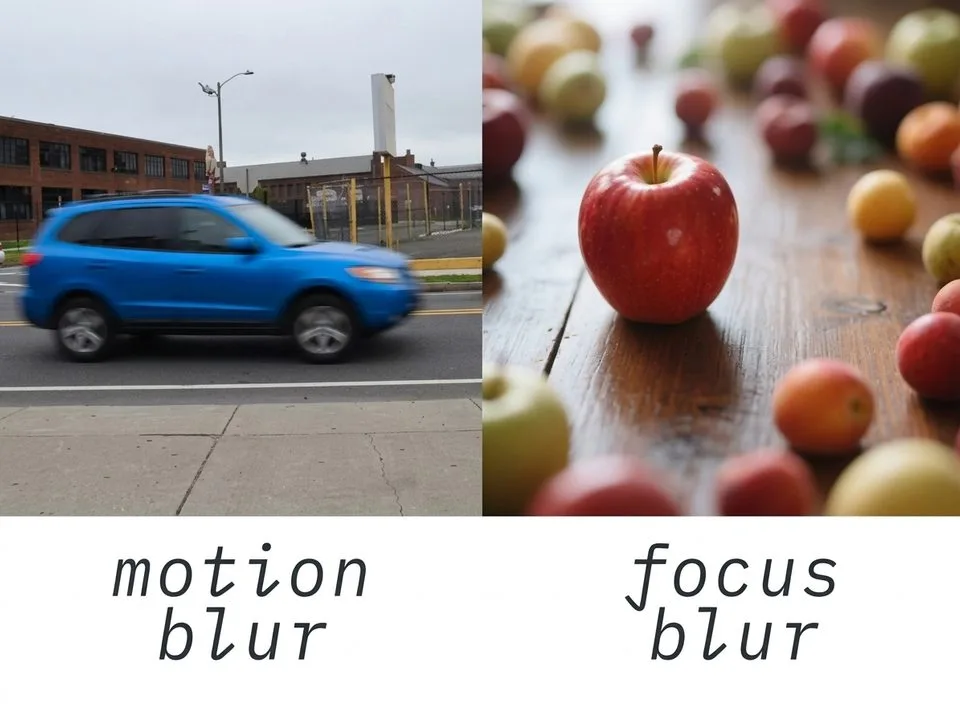
Causes: Dirty lens, smudged protective film not removed, low-light conditions exceeding sensor capability, motion blur from rapid movement, incorrect focus (rare on fixed-focus systems)
Solutions: Clean lens with microfiber cloth, remove shipping protective film if present, improve lighting conditions, minimize head movement speed, ensure lens faces forward without obstruction
🔊 Audio Sounds Muffled or Distorted
Causes: Wind noise overwhelming microphones, covered microphone ports (hair, hats, scarves), speaking too far from device, water damage to microphone elements
Solutions: Position self facing away from wind, move hair away from temple microphones, speak clearly within 3-foot range, enable wind-reduction settings if available, test with known-good audio source to diagnose hardware issues
📱 Companion App Not Detecting Glasses
Causes: Bluetooth disabled on phone, glasses powered off or depleted battery, app permissions denied, incompatible phone model, multiple devices causing confusion
Solutions: Verify Bluetooth enabled, charge glasses for 30 minutes, grant app location/bluetooth permissions, check compatibility list, unpair from other previously connected devices
💾 Insufficient Storage Space
Causes: Large video file accumulation, failure to transfer files to other storage, automatic cloud backup filling local cache, corrupted files consuming space
Solutions: Transfer files to computer/cloud storage regularly, adjust recording quality to lower resolution/bitrate, delete unnecessary footage, format storage (after backing up important data) to resolve corruption issues
For persistent issues unresolved by troubleshooting, contact manufacturer support before assuming hardware failure. Many problems stem from software glitches resolved by resets or updates rather than defective components requiring replacement.
Maximizing Your Investment: Advanced Tips & Workflow Integration
Beyond basic operation, power users extract extraordinary value from camera glasses through creative techniques and workflow optimizations.
Creative Shooting Techniques
The “Invisible Observer” Method
Record continuously during entire events (parties, family gatherings, outings) without announcing your intentions. Later, mine footage for authentic moments impossible to capture when subjects perform for cameras. This technique yields gold-standard reaction shots, genuine emotions, and unguarded interactions that scripted filming cannot replicate.
POV Tutorial Creation
Create highly engaging instructional content by narrating processes while performing them. Cooking recipes, craft tutorials, mechanical repairs, software walkthroughs, and fitness routines benefit tremendously from first-person perspective. Viewers feel like they’re performing actions themselves, increasing comprehension and retention.
Environmental Soundscapes
Use camera glasses primarily for audio capture in interesting acoustic environments. Nature sounds, urban ambience, crowd reactions, and atmospheric audio enhance podcast productions, meditation apps, and ASMR content. Video becomes secondary to immersive audio collection.
Time-Compression Documentation
Record lengthy processes (art creation, construction projects, garden growth, decluttering efforts) then accelerate playback 10-50x in editing. Camera glasses’ hands-free nature makes practical to record for hours without interruption, producing satisfying transformation montages.
Workflow Automation Opportunities
- IFTTT/Zapier Integrations: Automatically save new recordings to cloud storage, trigger notifications when clips exceed certain length, or initiate editing workflows upon file transfer completion
- Voice Memo Tagging: Verbally describe scenes while recording (“This is the waterfall at mile marker 4”) enabling later searchability through transcription services
- Geotagging Workflows: GPS-enabled glasses embed location metadata; use mapping software to visualize coverage and identify under-documented areas
- Batch Processing Presets: Develop standardized edit templates applying consistent color grading, stabilization, and export settings across similar content types
Monetization Potential for Content Creators
Camera glasses open unique revenue streams for entrepreneurial creators:
- Stock Footage Libraries: POV driving, walking, and activity footage sells well on stock platforms (Shutterstock, Adobe Stock, Pond5) where supply of authentic first-person perspectives remains limited
- Brand Sponsorships: Lifestyle brands pay premiums for organic product integration within glasses-captured daily life content
- Virtual Tour Services: Real estate agents, venue managers, and tourism boards contract POV walkthrough specialists
- Educational Content Platforms: Skillshare, Udemy, and LinkedIn Learning seek instructors capable of demonstrating techniques from learner’s viewpoint
- Consulting & Training: Businesses adopting camera glasses for field operations need implementation guidance and best-practice training
🎨 Need Professional Object Isolation?
Image masking services precisely separate complex objects from backgrounds for compositing, product placement, and creative editing of your camera glasses footage.
Discover Precision Image Masking →Environmental Impact & Sustainability Considerations
Conscious consumers increasingly factor environmental responsibility into purchasing decisions. Camera glasses, like all electronics, carry ecological footprints worth understanding.
Manufacturing & Materials
Smart glasses incorporate numerous materials with varying environmental impacts:
- Plastics: Frame bodies, internal housings, and components rely heavily on petroleum-based plastics. Some manufacturers now incorporate recycled ocean plastics or bio-based alternatives
- Metals: Aluminum alloys, stainless steel hinges, and copper wiring require energy-intensive extraction and processing
- Rare Earth Elements: Batteries, magnets, and displays depend on materials with environmentally damaging mining practices
- Lithium-Ion Batteries: Present end-of-life disposal challenges; improper recycling contaminates soil and groundwater
Positive Sustainability Trends
Industry moves toward greener practices:
- Modular Repairability: Some newer designs allow component replacement (batteries, cameras) rather than requiring full-device disposal
- Recycled Material Programs: Ray-Ban Meta frames incorporate recycled content; packaging increasingly uses sustainable materials
- Extended Software Support: Longer firmware update windows extend useful lifespans, reducing e-waste from premature obsolescence
- Take-Back Programs: Manufacturers offering trade-in credits encourage proper recycling rather than landfill disposal
- Energy Efficiency: Newer processors accomplish more computation per watt, reducing lifetime energy consumption
Consumer Actions for Reduced Impact
- Buy for Longevity: Purchase quality devices lasting 4-5 years rather than replacing cheap ones every 18 months
- Maintain Carefully: Protective cases, careful handling, and prompt repairs extend functional lifespan
- Recycle Properly: Utilize manufacturer take-back programs or certified e-waste recyclers when retiring devices
- Buy Used/Refurbished: Certified refurbished options reduce demand for new manufacturing while saving money
- Extend Via Accessories: External batteries and cases add functionality without replacing core devices
Accessibility Features & Inclusive Design
Camera glasses offer transformative potential for users with disabilities, though current implementations vary in accessibility sophistication.
Vision Impairment Accommodations
- Prescription Compatibility: Most major brands support prescription lenses through partner opticians or direct ordering
- Audio Description: AI-powered narration of visual scenes assists low-vision users in understanding surroundings
- Text-to-Speech: Reading signs, menus, labels, and documents aloud through ear speakers
- Object Recognition: Auditory identification of items, people, and obstacles in environment
Physical Mobility Support
- Voice Control: Hands-free operation eliminates need for fine motor skills or grip strength
- Lightweight Design: Minimal weight reduces neck strain for users with muscle weakness or chronic pain
- Head Gesture Control: Nodding or tilting triggers functions for users unable to manipulate buttons
Cognitive Accessibility
- Simplified Interfaces: Basic models with single-button operation suit users overwhelmed by complex menus
- Consistent Operation: Predictable responses to inputs reduce cognitive load and learning difficulty
- Error Recovery: Easy undo functions and forgiving interfaces accommodate inconsistent input
When evaluating accessibility, consult reviews from disability community members rather than relying solely on manufacturer marketing claims. Organizations like American Academy of Audiology provide resources on assistive hearing technologies that often overlap with smart glasses audio features.
Community Resources & Further Learning
Connecting with fellow camera glasses enthusiasts accelerates learning and reveals creative possibilities you might not discover independently.
Online Communities
- r/SmartGlasses (Reddit): Active discussion forum sharing tips, troubleshooting advice, and honest user experiences across all major brands
- Meta Community Forums: Official support channels with company representatives participating alongside users
- Facebook Groups: Brand-specific communities (Ray-Ban Meta Users, Viture Owners) providing peer support and inspiration
- YouTube Creator Communities: Channels dedicated to smart glasses content share techniques and equipment reviews
Educational Content
- Manufacturer Tutorials: Official guides covering setup, features, and advanced usage patterns
- Tech Review Channels: In-depth comparisons from sources like The Verge, CNET, and PCMag provide objective testing data
- Photography Blogs: Sites like DPReview and Digital Photography Review offer imaging quality analysis applicable to glasses cameras
- Podcasts: Audio discussions exploring wearable technology trends and practical implementation stories
Professional Development
- Workshops & Webinars: Training sessions on POV storytelling, hands-free content creation, and emerging AR applications
- Certification Programs: Emerging credentials for enterprise deployment and technical support specialization
- Conferences: Events like CES, Mobile World Congress, and Augmented World Expo showcase upcoming innovations
Final Recommendations: Choosing Your Perfect Camera Glasses
After examining every facet of camera glasses technology, market landscape, and practical usage considerations, we synthesize findings into actionable recommendations tailored to common buyer profiles.
For Casual Users Wanting Simple Memory Capture
Recommendation: Ray-Ban Meta Smart Glasses (Gen 2) – Starting at $299
Rationale: Best balance of quality, ease of use, aesthetic acceptability, and ecosystem maturity. Works immediately out of box with minimal learning curve. Sufficient quality for social media sharing and personal archiving. Fashionable enough for daily wear without self-consciousness.
For Budget-Conscious Experimenters
Recommendation: OhO Sunshine 4K Camera Glasses – Around $99
Rationale: Lowest barrier to entry for experiencing POV recording. Adequate for determining whether hands-free capture fits your lifestyle before committing to premium investment. Accept compromises knowingly as exploration cost.
For Professional Content Creators
Recommendation: Dual Approach – Ray-Ban Meta for B-roll/Casual + Dedicated Action Camera for Primary Shoots
Rationale: No single device excels at everything. Combine glasses’ authentic capture strengths with action cameras’ technical superiority. Total investment still reasonable compared to professional equipment alternatives.
For Enterprise & Field Work Applications
Recommendation: Viture One AR Smart Glasses – $549
Rationale: Heads-up display capabilities add value beyond pure recording. Enterprise support infrastructure, prescription compatibility, and external power options suit professional deployment scenarios. Developer ecosystem enables custom application development.
For Tech Enthusiasts Seeking Cutting Edge
Recommendation: Monitor announcements for late 2026 releases; buy current gen if immediate need exists
Rationale: Rapid iteration means today’s flagship becomes mid-tier within 12-18 months. Unless urgent need exists, waiting 6 months may yield significantly improved specifications at similar price points. If buying now, choose modular designs allowing component upgrades.
🚀 Elevate Your Visual Content Today
Professional ghost mannequin services bring your e-commerce and fashion photography to life. Create invisible mannequin effects that showcase products beautifully.
Explore Ghost Mannequin Services →Frequently Asked Questions About Camera Glasses
Are camera glasses legal to use in public places?
Answer: In most countries, yes—video recording in public spaces where no reasonable expectation of privacy exists is generally legal. However, audio recording triggers stricter consent requirements in many jurisdictions (some U.S. states require all-party consent). Private property owners may prohibit recording regardless of broader legality. Always respect posted restrictions and cease recording if requested. When in doubt, obtain verbal consent or disable audio capture.
How long do camera glasses batteries typically last?
Answer: Battery life varies dramatically by model and usage pattern. Entry-level glasses deliver 45-90 minutes of continuous recording. Mainstream models like Ray-Ban Meta Gen 2 provide 4-8 hours of mixed usage (including audio playback, notifications, and intermittent recording) with charging cases adding 32-48 additional hours of cumulative capacity. Cold weather reduces lithium battery performance by 20-40%. Heavy video recording drains batteries fastest; audio-only usage extends runtime considerably.
Can I wear camera glasses with prescription lenses?
Answer: Most major brands offer prescription compatibility through various methods. Ray-Ban Meta and Oakley models accept prescription lenses installed by partner opticians (additional cost: $100-300). Some include customizable click-in prescription inserts. AR-focused models like Viture One feature adjustable diopter settings (-5.0D to +5.0D) accommodating mild-to-moderate vision correction without custom lenses. Verify specific compatibility before purchasing if you require corrective eyewear.
Do people notice when you’re recording with camera glasses?
Answer: It depends on the model and observer awareness. Well-designed glasses like Ray-Ban Meta include subtle LED recording indicators, but these are small and easily missed by casual observers. Most people won’t notice unless they’re specifically looking for technology cues or you behave unusually (staring intently, standing awkwardly still). However, ethical usage suggests informing people in intimate settings or when capturing extended interactions. The technology’s discretion cuts both ways—it enables authentic capture but raises consent considerations.
Can camera glasses replace my smartphone camera or action camera?
Answer: Partially, but not completely for most users. Camera glasses excel at hands-free, eye-level POV capture with authentic subject behavior—scenarios where smartphones and action cameras struggle. However, they sacrifice image quality (typically 1080p vs 4K+), environmental sealing, mounting versatility, and manual controls. Think of them as complementary tools rather than replacements. Serious content creators often own both, using glasses for casual/B-roll capture and dedicated cameras for planned high-quality shoots.
How do I transfer videos from camera glasses to my computer?
Answer: Methods vary by model. Most modern smart glasses (Ray-Ban Meta, etc.) transfer wirelessly via Bluetooth/Wi-Fi to companion smartphone apps, then sync to cloud services or transfer via USB cable to computers. Budget models often function as USB mass storage devices—connect via cable and drag files like external drives. Some support microSD card removal for direct computer reading. Check your specific model’s manual for exact procedures; setup takes 5-10 minutes initially then becomes automatic.
Are camera glasses waterproof or suitable for swimming/water sports?
Answer: Most consumer camera glasses offer only splash resistance (IPX4 rating)—they handle rain, sweat, and accidental splashes but cannot survive submersion. Swimming, snorkeling, surfing, or watersports will destroy non-waterproof models. If you need aquatic recording capabilities, look for specifically rated waterproof action cameras (GoPro, DJI Osmo) with dedicated waterproof housings. Some specialty waterproof camera glasses exist in niche markets but typically sacrifice other features significantly.
What’s the difference between camera glasses and AR (Augmented Reality) glasses?
Answer: Camera glasses primarily focus on capturing video/photos of your surroundings—they’re output devices recording the external world. AR glasses add display technology projecting digital information (notifications, maps, translations, virtual screens) into your field of view—they’re input/output devices both capturing and presenting information. Some devices blur this distinction (Viture One includes both camera and display), but pure camera glasses (like basic Ray-Ban Meta) lack visible displays, while pure AR glasses may omit high-quality cameras. As technology evolves, convergence continues, but current generations maintain meaningful functional differences.
Conclusion: Embracing the Hands-Free Imaging Revolution
Camera glasses represent far more than a novelty gadget category—they constitute a fundamental shift in how humans document experiences, create content, and interact with technology. By moving capture capability from handheld devices to eyewear we already wear, these innovations eliminate friction between living moments and preserving them, between participating in activities and recording them.
The technology has matured remarkably since early experiments like Google Glass alienated users with obvious, intrusive designs. Today’s best models—epitomized by the Ray-Ban Meta Smart Glasses Generation 2—deliver genuine utility wrapped in fashion-forward aesthetics that raise zero eyebrows in everyday contexts. Video quality satisfies social media demands, battery life supports all-day casual use, AI integration adds genuine convenience, and prices fall within reach of mainstream consumers rather than just early adopters.
Yet challenges remain. Privacy concerns deserve ongoing attention as society adapts norms around constant potential recording. Legal frameworks struggle to keep pace with technological capability. Battery physics constrain ambitious feature sets. And the gap between premium and budget options means quality experiences still require meaningful investment.
For readers contemplating their first camera glasses purchase, the message is clear: the technology has arrived at a inflection point where practical value exceeds gimmick appeal for broad user populations. Whether you’re a parent preserving childhood memories, a creator building authentic audience connections, a professional streamlining field documentation, or simply a tech enthusiast exploring emerging form factors, compelling options exist matching diverse needs and budgets.
We encourage thoughtful consideration of your specific use cases, honest assessment of quality requirements versus cost tolerance, and commitment to ethical usage practices that respect privacy and consent. When approached responsibly, camera glasses enrich lives by capturing perspectives no other device can—your own eyes’, lived in real-time, hands free to experience rather than merely observe.
The future promises even more capable devices with integrated displays, advanced AI assistance, longer battery life, and seamless environmental integration. But you needn’t wait for perfection to benefit from today’s impressive capabilities. The hands-free imaging revolution isn’t coming—it’s here, and it’s wearing glasses.
✂️ Ready to Perfect Your Product Photography?
Professional clipping path services isolate your products with pixel-perfect precision. Remove backgrounds cleanly for e-commerce listings, catalogs, and marketing materials that convert browsers into buyers.
Get Started with Clipping Path Services →